Contents (9 sections)
Home automation is continuously evolving, and as we move through 2026, several key trends are set to reshape the landscape of smart homes. From energy efficiency enhancements to sophisticated AI integration, let's explore the top five trends that are worth your attention this year.
1. Increased Focus on Energy Efficiency
In 2026, energy efficiency remains at the forefront of smart home technology. With rising energy prices and a growing awareness of climate change, consumers are increasingly seeking solutions that reduce energy consumption while maintaining comfort. Smart thermostats, for instance, are now equipped with AI algorithms that learn user patterns, allowing for optimal heating and cooling schedules adjusted in real-time.
According to a report from UFC-Que Choisir, homes equipped with smart thermostats can save up to 20% on energy bills. Additionally, innovations such as smart lighting systems, which automatically adjust based on natural light levels, are becoming standard. These systems not only enhance convenience but also contribute significantly to reducing carbon footprints, appealing to environmentally conscious homeowners.
By combining energy-efficient devices with renewable energy sources, such as solar panels, homeowners can achieve substantial savings while contributing to sustainable energy use. This trend is not just beneficial for the environment but represents a significant cost-saving strategy for households.
2. Integration of AI in Home Automation
The integration of artificial intelligence (AI) into smart home devices is transforming how we interact with our living spaces. In 2026, AI-enabled devices can communicate and learn from one another, creating a cohesive ecosystem. For example, AI can anticipate when the homeowner arrives home and adjust lighting, temperature, and even prepare favourite music playlists accordingly.
A survey by Les Numériques highlighted that 63% of smart home users expressed a preference for devices that could learn from their habits and preferences. This level of personalisation enhances user experience dramatically. Moreover, with advances in natural language processing, voice assistants are becoming more intuitive, leading to smoother interactions and helping with increasingly complex tasks such as managing entire home systems through simple voice commands.
Not only does this create a more seamless living experience, but it also opens new avenues for traditional products to become “smart.” As functionalities expand, traditional households can turn into smart homes with minimal effort.
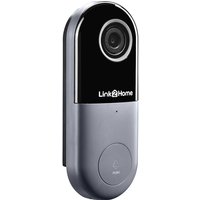

MOES Smart WiFi Thermostat Water/Gas Boilers Heating, Schedule and Remote Control, Hub-Free, Compatible with Amazon Alexa, Neutral Line Required, Mech
Amazon Sellers Programme (UK)

3. Enhanced Security Measures
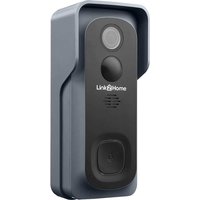
With the rise of smart home technology, security continues to be a pressing concern for homeowners. In 2026, we are witnessing a significant upgrade in smart security devices. The latest smart cameras and doorbells provide not only live streaming but also advanced features like facial recognition and motion tracking, allowing for enhanced monitoring of homes.
Statistics from 60 Millions de Consommateurs reveal that homes with smart security systems are 300% less likely to be burglarised. This trend is partly attributed to the increasing adoption of remote monitoring capabilities that allow homeowners to keep an eye on their properties from anywhere in the world through a simple smartphone application. Moreover, trends in cybersecurity are improving, with manufacturers prioritising data encryption and user privacy.
Investments in robust security protocols will be essential as the number of smart devices increases. Ensuring that these devices are not only user-friendly but also secure will foster greater consumer confidence in adopting smart home technology.
4. The Rise of Smart Appliances
Smart appliances are no longer a novelty but a standard feature in modern homes. From intelligent refrigerators that track food inventory to washing machines that can be controlled via smartphone apps during off-peak electricity rates, the capabilities of these appliances continue to grow. In 2026, we can expect an increase in appliances that interact with the entire smart home network, offering synchronised operations to optimise energy usage further.
For instance, smart ovens can be preheated remotely and adjusted based on dietary restrictions or cooking preferences, presenting a perfect marriage between convenience and modern culinary practices. Dwellers have reported significant time savings and enhanced meal preparation flexibility, reinforcing the appeal of these innovations. This trend signifies a shift towards a more connected lifestyle where the kitchen has become the central hub of home automation.
5. The Importance of Health and Wellness Technology
The integration of health and wellness technologies in smart homes is becoming increasingly significant. In 2026, devices that monitor air quality, temperature, and even humidity are crucial, particularly as respiratory health gains priority in home design. Smart sensors capable of detecting allergens or pollutants can offer real-time updates to homeowners, facilitating healthier living environments.
Statistics suggest that indoor air pollution can be significantly higher than outdoors, elevating the risk for respiratory diseases. Hence, incorporating real-time monitoring and automated ventilation systems will be essential. Additionally, the popularity of connected fitness devices is escalating, leading to an entire wellness ecosystem within homes that encourages healthier lifestyles.
Homeowners are now prioritising their health as much as their comfort, merging digital conveniences with holistic well-being considerations. This emerging trend signifies the future of homes as not only technologically advanced but also health-focused.
📺 Ressource Vidéo
📺 Pour aller plus loin : Découvrez les dernières tendances en matière de maison intelligente, une analyse complète de l'innovation technologique pour 2026. Recherchez sur YouTube : "tendances maison intelligente 2026".

Alphablocks Matchums: Match The Cards To The Letters Or Pictures On Your Board By Trends UK
books2door.com


Glossaire
| Terme | Définition |
|---|---|
| Automatisation | Processus d’utilisation de technologies pour exécuter des tâches sans intervention humaine. |
| IoT (Internet des Objets) | Reseau d'objets physiques connectés qui transmettent des données via Internet. |
| AI (Intelligence Artificielle) | Technologie qui imite l’intelligence humaine pour apprendre des expériences et exécuter des tâches. |
Checklist avant achat
- [ ] Rechercher les meilleures options d'appareils écoénergétiques.
- [ ] Analyser les systèmes de sécurité à domicile avant d'investir.
- [ ] Vérifier les compatibilités des appareils avec votre hub smart home.
- [ ] Consulter les avis utilisateurs et les retours d'expérience.
- [ ] Mettre en place des mesures de cybersécurité pour vos appareils connectés.
Nous avons sélectionné plusieurs produits adaptés pour votre maison connectée. Découvrez nos recommandations ci-dessous pour maximiser votre expérience de maison intelligente.
- - - 🧠 Quiz rapide : Quelle est la tendance majeure en matière de maison intelligente pour 2026 ?
- A) Augmentation des factures énergétiques
- B) Sécurité améliorée
- C) Technologies de santé et de bien-être
Réponse : C — Les technologies de santé et de bien-être deviennent essentielles dans les maisons intelligentes modernes.
📺 Pour aller plus loin : tendances maison intelligente 2026 sur YouTube
Recommended products
Selected by our experts

Samsung HG43Q60AAEEXXU TV 109.2 cm (43") 4K Ultra HD Smart TV Wi-Fi Black
Back to the Office
Alphablocks Matchums: Match The Cards To The Letters Or Pictures On Your Board By Trends UK
books2door.com

Samsung HAU8000 139.7 cm (55") 4K Ultra HD Smart TV Black 20 W
Back to the Office