Contents (12 sections)
In today’s rapidly evolving technological landscape, selecting the best smart home devices is essential for creating an efficient and enjoyable living environment. From enhancing security to improving energy efficiency, smart devices are tailored to meet various lifestyles and needs. This comprehensive guide will walk you through the key considerations to ensure you make informed decisions.
1. Understand Your Lifestyle Needs
The first step in selecting the right smart home devices is to evaluate your lifestyle. Consider the following factors:
- Family Members: How many people live in your home? Families with children may prioritise safety features, while single individuals might focus on convenience and management of daily tasks.
- Daily Routines: Identify the routines that can be enhanced by smart technology. For instance, smart lighting can streamline your morning routine or create an ambience for evening relaxation.
- Tech Savviness: Assess the technological comfort level of all users in your household. Some devices require advanced technical skills, while others offer user-friendly interfaces.
For example, a busy family might benefit from smart thermostats that learn their schedule, optimising energy use while ensuring comfort throughout the day. On the other hand, tech enthusiasts might prefer devices with advanced functionalities allowing total home integration.
2. Determine Your Budget
Next, set a realistic budget for your smart home upgrade. The best smart home devices come in various price ranges, and it's essential to weigh functionality against cost. Consider:
- Initial Investment vs. Long-term Savings: Initially, some devices may seem expensive, but they can lead to significant savings over time via energy efficiency and enhanced convenience. Smart thermostats, for example, can reduce heating costs significantly, making them a worthwhile investment.
- Priority Devices: Decide which devices are necessary for you based on your lifestyle. It’s advisable to start with a few foundational devices that can be integrated with additional options later.
- Research and Compare: Use online platforms to compare products and read reviews from other users. Websites like Les Numériques and UFC-Que Choisir provide detailed assessments of tech products, helping you make informed choices.
3. Research Compatibility and Integration
Before purchasing, ensure that your chosen smart devices are compatible with each other and with your existing home infrastructure. Key points to consider include:
- Ecosystem: Many smart home devices operate within specific ecosystems (e.g., Google Home, Amazon Alexa). Selecting devices that are compatible within the same ecosystem can significantly enhance usability and effectiveness.
- Integration Capabilities: Check if the devices can integrate with existing products. For example, smart lights should be able to work with your smart thermostat for energy efficiency.
- Software Updates: Opt for products from manufacturers known for providing regular updates. This ensures longevity and support for emerging technologies, which is essential as the smart home landscape evolves quickly.
4. Evaluate Data Security and Privacy
With the growing number of smart home devices comes the paramount concern of security and privacy. Consider these elements:
- User Reviews: Look for customer feedback regarding security concerns. Understanding the experiences of others can guide your decision.
- Manufacturer Policies: Research the privacy policies of device manufacturers. Choose companies that are transparent about how they handle your data and offer robust security measures.
- Two-Factor Authentication: Opt for devices that support two-factor authentication, adding an extra layer of security against potential breaches.
5. Installation Considerations
Some smart home devices are easy to install and require minimal tools, while others might demand professional installation. It’s crucial to assess:
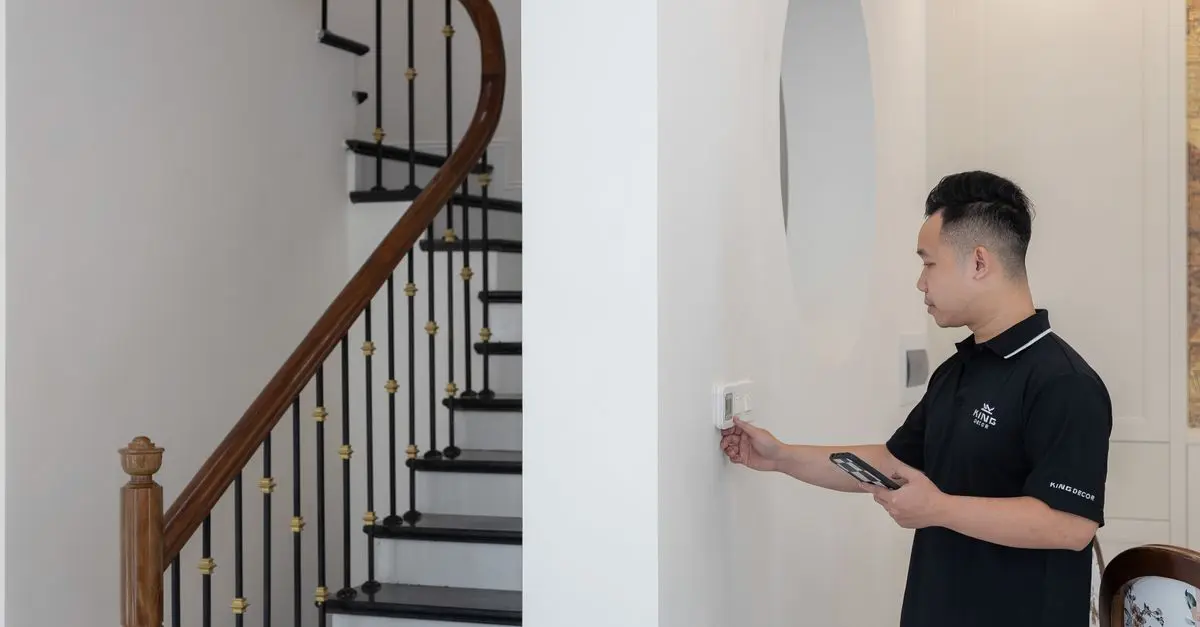
- Skill Level: If you’re comfortable with DIY projects, many devices can be set up without professional help. However, if the installation involves complex wiring or setup, considering professional assistance is wise.
- Guided Setup Features: Many devices now come with intuitive setup processes. Opt for devices that provide tutorials or guided setups to simplify the installation process.
6. Explore the Latest Technology Trends
Keeping abreast of technological developments can provide an edge when selecting the best smart home devices. Stay informed about:
- Artificial Intelligence: Many devices now incorporate AI, enhancing their ability to automate tasks and learn user preferences.
- Voice Control and Updates: Voice-activated controls have evolved, making the technology user-friendly. Regular updates are crucial to ensure devices keep pace with new functionalities.
- Sustainability: Many companies are now focusing on creating energy-efficient devices. Investing in sustainable technology is not only cost-effective but also beneficial for the environment.
Comparison Chart of Smart Home Devices
| Device Type | Company A | Company B | Company C | Verdict |
|---|---|---|---|---|
| Smart Thermostats | High energy savings in winter | Easy app control | Advanced learning abilities | Recommended for most users |
| Smart Security Cameras | 1080p resolution | Night vision features | Cloud storage options | Best choice for security concerns |
| Smart Lights | Customisable colours | Voice-controlled | App integration | Excellent for ambience creation |
- What are smart home devices? Smart home devices are internet-connected devices that enable automation and remote control within a home environment, enhancing convenience and efficiency.
- How do I ensure compatibility between devices? Check the specifications and ecosystem alignment of devices to ensure seamless integration and functionality.
- Are smart home devices secure? While there are security concerns, many reputable manufacturers implement strong data protection measures. Research user reviews and security policies before making a purchase.
- What is the best smart device for beginners? Smart light bulbs or plugs are excellent starting points for beginners, as they provide fundamental smart home functionalities without overwhelming complexity.
💡 Expert Opinion: Investing in reliable and well-reviewed products is always wise. Seek devices that offer secure integrations and user-friendly features to ensure you’re not just buying a product, but enhancing your lifestyle effectively.
📺 Resource Video
To deepen your understanding of smart home technology, explore the latest trends and practical uses in our suggested video, “Guide to Smart Home Integration”. Search on YouTube with the keywords: smart home technology 2026.
Glossary
| Terme | Définition |
|---|---|
| Ecosystem | Ensemble de dispositifs et services interconnectés se synchronisant pour fonctionner ensemble. |
| Intelligence Artificielle | Technologie permettant aux dispositifs d'apprendre des comportements et préférences d'utilisateurs. |
| Sécurité des Données | Ensemble de mesures visant à protéger les informations personnelles des utilisateurs contre les accès non autorisés. |
---
📺 Pour aller plus loin : smart home technology 2026 sur YouTube
Recommended products
Selected by our experts

Sony BRAVIA 3 165.1 cm (65") 4K Ultra HD Smart TV Wi-Fi Black
Back to the Office