Contents (13 sections)
As technology advances, smart home devices have become increasingly popular among homeowners. With numerous options available, deciding on the best smart home devices for your unique needs can be daunting. This guide aims to provide a clear and thorough approach to help you navigate this selection process effectively.
1. Understanding Smart Home Devices
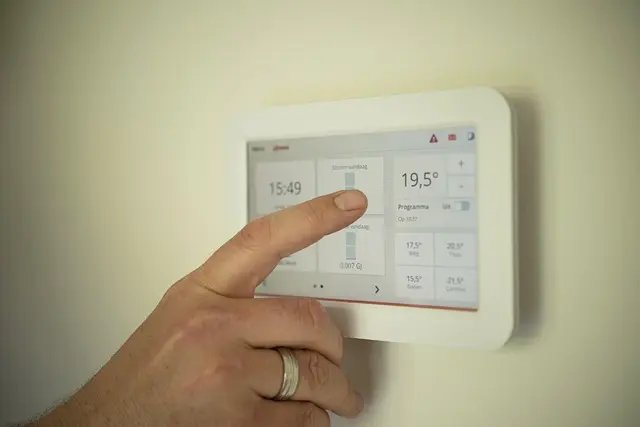
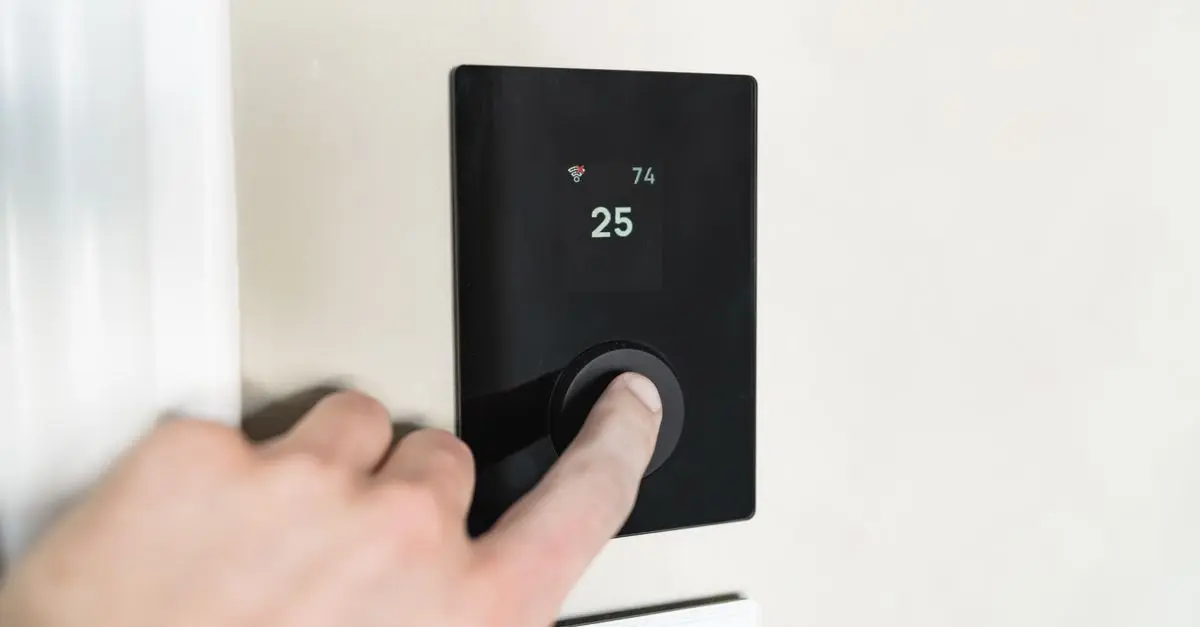
Before diving into the selection process, it is crucial to understand what smart home devices are. These devices automate tasks, enhance control over home environments, and improve efficiency and security. When we refer to smart home devices, we include items such as smart thermostats, lighting systems, security cameras, and voice-controlled assistants. Their primary purpose is to improve convenience and efficiency while providing data that can lead to actionable insights on energy usage and overall home management.
Given the variety of devices available, understanding their functionalities is essential to making informed choices that cater to your lifestyle and personal requirements.
2. Assessing Your Needs
Assessing your requirements is the next step in choosing the best smart home devices. Consider the areas of your home where automation could enhance convenience or security. Start by making a list of tasks that you frequently perform, such as controlling lighting or managing the thermostat. For instance, if you have a busy household, devices that automate lighting based on activities—like dimming for movie nights—may be beneficial.
Also, consider whether you have any specific needs for security; perhaps you require motion detectors or smart cameras that can be viewed remotely. By prioritising your needs, you can streamline your search and ensure the devices you select are genuinely useful. Don’t forget to involve your household members in this assessment as their preferences should also influence your decisions.

Original European Best-Selling High-End Fashion Men's Light Luxury Genuine Leather Patchwork Breathable Versatile Casual
Voghion Global
3. Researching the Options
Once you have a clear understanding of your needs, it's time to research various devices available in the market. Look for devices that are compatible with your existing home systems; for example, if you already use Apple's ecosystem, investing in HomeKit-compatible devices would be advantageous. It’s also essential to read reviews and compare functionalities. Take into account features like customisation options, control methods (smartphones, voice), and whether they integrate with other smart devices within your home. Keep an eye out for user experiences; they often reveal hidden advantages or drawbacks that specifications cannot convey, fostering a thorough decision-making process.
4. Evaluating Compatibility and Integration
Compatibility is a crucial factor in the selection of smart home devices. Some devices work seamlessly together, while others may require complex setups or might not integrate at all. Before making purchases, check whether the devices can be controlled through a single app or require multiple platforms, as this could complicate their use significantly. For example, if you opt for Amazon Alexa devices, you may want to ensure your lighting, thermostat, and security cameras all work seamlessly with it.
Moreover, look for devices with an open API, as these can provide enhanced integration options with future technologies. A well-integrated system not only streamlines control but also offers greater flexibility as you expand your smart home setup.
5. Budgeting Effectively
While selecting smart home devices, budgeting plays a critical role. Set a clear budget before you start your search. Prices can vary significantly among different brands and functionalities, so consider your overall spending capacity. Sometimes, investing in more expensive units can be more economical in the long run—look for energy-efficient devices that reduce utility bills over time.
Don’t forget about potential subscription services that some devices may require; factor in these ongoing costs into your budget. Additionally, consider seeking discounts or bundling products, as many retailers offer promotions that make it cheaper to purchase sets of devices together.
6. Installation Considerations
The installation process can also influence your decision. Certain smart home devices require professional installation, which adds to the overall cost and complicates the setup. Others may offer DIY installation, which could save both time and money. Review user manuals and installation guides to assess the complexity involved. If you're not tech-savvy and prefer simplicity, opt for devices that promise easy setup or come with strong customer support. Always read customer reviews regarding installations; those experiences can provide valuable insights.
7. Maintenance and Support
Finally, consider the level of maintenance and support required for the devices you choose. Some products may require frequent updates or maintenance, which could become burdensome for some users. Efficient customer support and a strong warranty from the manufacturer can enhance your experience with the product, making troubleshooting smoother. Look for companies that have a reputation for excellent customer service, as this can greatly affect your satisfaction with smart home devices over time.
📺 For further insight:
Explore video tutorials on installing and using smart home devices to enhance your understanding. Look for videos on YouTube with keywords related to the best practices and latest devices.
Checklist before Purchase
- [ ] Define your smart home needs
- [ ] Research available devices
- [ ] Check compatibility with existing systems
- [ ] Budget appropriately for each device
- [ ] Verify installation requirements
- [ ] Assess manufacturer support policies
Glossary
| Terme | Définition |
|---|---|
| Smart Home Device | Un appareil électronique qui peut être contrôlé à distance et intégré dans un réseau domestique. |
| API | Interface de programmation utilisée pour interagir entre différents systèmes. |
| Automatisation | Processus d'amélioration de l'efficacité des tâches ménagères par des appareils intelligents. |
Quiz rapide :
> Quel est le principal avantage d'un appareil domotique ?
> - A) Coût élevé
> - B) Amélioration de l'efficacité
> - C) Complexité de l'installation
> Réponse : B — Les appareils domotiques améliorent l'efficacité de nombreuses tâches.
📺 Pour aller plus loin : how to choose smart home devices 2026 sur YouTube
Recommended products
Selected by our experts
Original European Best-Selling High-End Fashion Men's Light Luxury Genuine Leather Patchwork Breathable Versatile Casual
Voghion Global
This product offers sleek design and versatility, making it ideal for modern home aesthetics.