Contents (9 sections)
In today’s rapidly evolving technology landscape, the concept of a smart home has moved from futuristic fantasy to everyday reality. Smart home devices enhance our daily lives, providing convenience, security, and comfort. However, not all smart home devices are created equal, and choosing the best ones for your needs can be a daunting task. This guide aims to clarify the essentials of selecting smart home devices that align perfectly with your lifestyle.
1. Understand Your Needs and Goals
Before diving into the myriad of smart home devices available on the market, it is crucial to understand your specific needs and goals. Start by asking yourself a few key questions:
- What problems are you attempting to solve?
- Are you looking for enhanced security, energy efficiency, convenience, or perhaps all three?
- What is your budget?
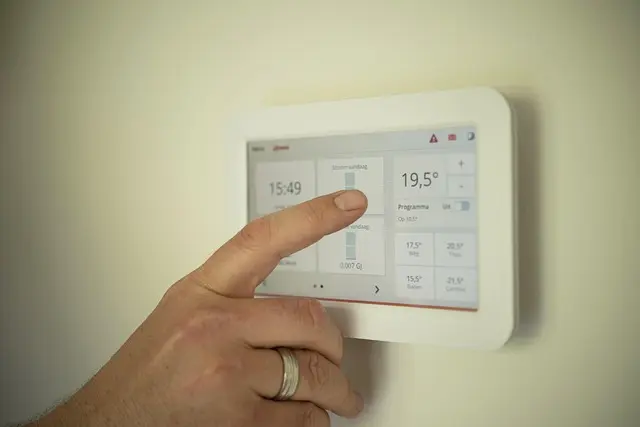
By identifying your primary goals, you can narrow down your options. For instance, if home security is your main concern, then smart locks, security cameras, and alarms should be at the forefront of your purchasing decisions. In contrast, if energy efficiency is your focus, consider smart thermostats and smart plugs that allow you to control your energy consumption effectively.
A survey conducted by UFC-Que Choisir found that 72% of homeowners reported significant energy savings after integrating smart technology into their homes. This statistic underscores the impact smart devices can have on your utilities.
Next, consider the types of rooms you wish to upgrade with smart technology. Many people start with the living room and kitchen, where the majority of daily activities occur. By prioritising your selections, you can manage both your budget and your time more efficiently.
2. Research the Available Options
Once you have clarified your needs, the next step is to research the available options. With countless manufacturers producing smart devices, it can be overwhelming. Look for products that have garnered positive reviews and are highly rated by users. Identify trusted brands known for the quality and reliability of their devices.
Investigate features that matter most to you. For example, a smart thermostat may have various functions, such as machine learning capabilities that adapt to your schedule, or the option to control it remotely via an app. Pay attention to specifications like compatibility with other systems, whether you need a hub to control multiple devices and the ecosystem it supports.
A common pitfall when selecting smart devices is neglecting compatibility. Ensure that the devices you consider can seamlessly integrate with each other, especially if you plan to use a central control system managed by your smartphone or voice assistant. Look for products supporting major platforms like Amazon Alexa, Google Home, or Apple HomeKit.

Alecto BC37 No-Touch Forehead Thermometer for Adults, Infrared Digital Thermometer for Kids, Touchless Baby Thermometer, Accurate Reading with LCD
Boxed2me

Samsung Galaxy S26 16 cm (6.3") Dual SIM Android 16.0 5G USB Type-C 12 GB 512 GB 4300 mAh Blue
Back to the Office

Fysic Ultrasonic Air Humidifier uses Ultrasonic Cooling Vapour Technology / Aroma Fragrance - White
Boxed2me
3. Compare Features and Pricing
At this stage, it is prudent to create a comparison chart to weigh the features, functionalities, and pricing of the devices you are considering. Below is an example of a comparison for three different smart devices focusing on specific criteria:
| Criteria | Device A | Device B | Device C | Verdict |
|---|---|---|---|---|
| Compatibility | Alexa, Google | Google only | Alexa only | A is more versatile |
| Price | £79.99 | £69.99 | £89.99 | B is the cheapest |
| Features | Learning mode | Basic functions | Advanced controls | A offers more utility |
| User Reviews | ★★★★☆ | ★★★★★ | ★★★☆☆ | B is best rated |
4. Read User Reviews and Testimonials
User reviews can offer invaluable insights into real-world performance. Reading the experiences of others who have used the products can identify common issues, ease of use, and overall satisfaction. Pay particular attention to patterns in reviews—if multiple users point out issues like software glitches or subpar customer service, it may warrant serious consideration.
Opt for devices that not only meet your needs but also have comprehensive support from the manufacturer. Reliable customer service can be essential for setup assistance or troubleshooting. According to Les Numériques, devices with robust customer service track records tend to receive better long-term user satisfaction.
a case study shows that a family of four experienced a 30% reduction in their energy bills after transitioning to smart thermostats, shedding light on the potential savings involved.
5. Consider Future Upgrades
Smart home technology advances rapidly, with new features and products emerging continuously. As you make your choices, consider how your selection fits into your long-term smart home plans. For instance, selecting devices that can be updated remotely or have the capability to integrate with emerging technology will extend their life cycle.
Also, anticipate future changes in your household—if you plan to expand your family or add pets, consider devices that can adapt. For example, choose security systems with the option to add more cameras or sensors later.
Checklist before Purchase
- [ ] Identify specific needs and goals.
- [ ] Research and compare options available in the market.
- [ ] Create a comparison chart evaluating features and pricing.
- [ ] Read user reviews and testimonials for real-world insights.
- [ ] Check manufacturer customer service quality and support.
- [ ] Consider future upgrade potentials of your smart devices.


Nedis SmartLife Solar / USB Powered SmartLife Curtain Robot Cable System Pane Roller/Roman blinds Voice Control for Google/Alexa 2000 mAh Bluetooth® -
Boxed2me
Glossary
| Term | Definition |
|---|---|
| Smart Home | A home equipped with internet-connected devices that enable remote management and monitoring. |
| Integration | The process of connecting various smart devices to work together seamlessly. |
| IOT (Internet of Things) | Network of interconnected devices that collect and exchange data over internet connections. |
> 💡 Expert Opinion: Selecting the best smart home devices involves planning and consideration. Engaging with user communities and tech forums can provide additional perspectives and recommendations.
📺 For Further Exploration
To explore this subject further, search on YouTube for: "how to choose smart home devices".
🧠 Quick Quiz: What is the main benefit of smart home devices?
- A) Convenience
- B) Power outages
- C) Fashion
Answer: A — Smart home devices enhance daily convenience and efficiency.
📺 Pour aller plus loin : Which Smart Home Platform Should People Choose in 2026? sur YouTube
Recommended products
Selected by our experts

Samsung Galaxy S26 16 cm (6.3") Dual SIM Android 16.0 5G USB Type-C 12 GB 256 GB 4300 mAh Blue
Back to the Office

Samsung Galaxy S26 16 cm (6.3") Dual SIM Android 16.0 5G USB Type-C 12 GB 256 GB 4300 mAh Black
Back to the Office

Samsung Galaxy S26 16 cm (6.3") Dual SIM Android 16.0 5G USB Type-C 12 GB 256 GB 4300 mAh Violet
Back to the Office

Samsung Galaxy S26 16 cm (6.3") Dual SIM Android 16.0 5G USB Type-C 12 GB 512 GB 4300 mAh Black
Back to the Office

Samsung Galaxy S26+ 17 cm (6.7") Dual SIM Android 16.0 5G USB Type-C 12 GB 256 GB 4900 mAh Blue
Back to the Office

Samsung Galaxy S26+ 17 cm (6.7") Dual SIM Android 16.0 5G USB Type-C 12 GB 256 GB 4900 mAh White
Back to the Office