Contents (13 sections)
In an age where technology seamlessly integrates into our lives, the selection of the best smart home devices plays a crucial role in enhancing comfort, security, and energy efficiency. The term 'smart home' refers to a network of devices interconnected through the internet, enabling users to control them remotely, thus improving convenience and lifestyle. However, as the market expands, the challenge lies in identifying which devices truly align with your specific needs and preferences.
1. Assess Your Needs and Priorities
Before diving into the purchasing process, it's essential to evaluate your personal requirements. Are you primarily interested in home security, or is energy management more critical for you? According to a recent report from UFC-Que Choisir, energy-efficient devices significantly reduce monthly bills, while home security systems can lower insurance costs. Consider writing down a list of your priorities to steer your buying decisions.
For example, families with young children may prioritise security cameras and smart locks, while tech enthusiasts might focus on automation and smart appliances. Prioritising clarity on your goals can significantly streamline your choices later on.
2. Research Device Compatibility
Next, ensure that potential devices are compatible with your existing technology ecosystem. Most smart home devices operate on a specific platform, such as Google Home, Amazon Alexa, or Apple HomeKit. Compatibility is crucial because it determines how well these devices communicate with one another. For instance, a smart thermostat should ideally connect with smart lights and other appliances to optimise energy usage. Always check the manufacturer's specifications before purchasing.
3. Look for User Reviews and Expert Opinions
When narrowing down your options, user reviews and expert opinions can provide valuable insights. According to data from Les Numériques, products that have undergone extensive testing often yield better performance and reliability ratings. Browse forums, and comparative review sites, and check out recent publications.
For instance, a specific model of a smart security camera may be highly rated for motion detection and video quality. Conversely, another model may receive warnings for technical issues. Gathering this information will empower you to make informed decisions based on experiences and expertise.
4. Evaluate Price vs. Performance
Budget plays a significant role in the decision-making process. When considering the best smart home devices, it's essential to balance cost with functionality. While it may be tempting to opt for the cheapest option, long-term performance often outweighs initial savings. A device that works well and lasts for years can be more economical in the long run.
When assessing price, consider not just the upfront cost but also potential savings on energy bills or reduced insurance premiums. Investing in quality will typically grant you enhanced features and reliability.
5. Assess Your Wiring Needs
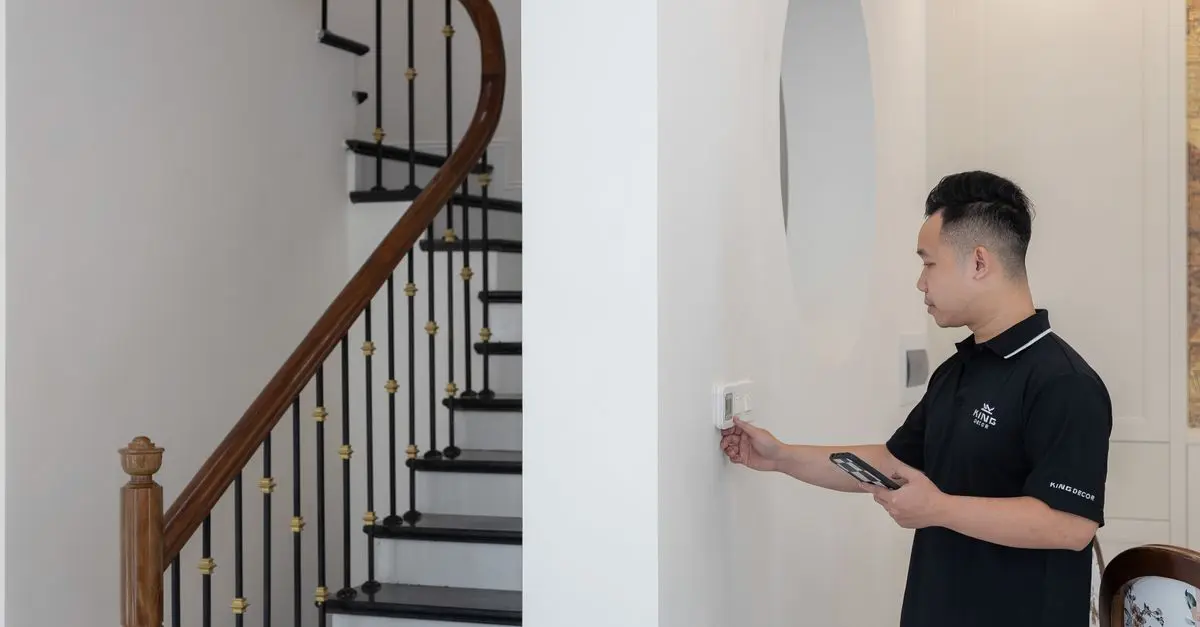
Certain smart home devices require wiring or specific installations, which can complicate the setup. For example, smart switches and sensors may require professional installation, while others can be simply plugged in or mounted as DIY projects. Before committing to a purchase, check the installation requirements and consider budgeting for professional help if needed. This foresight can save you from frustrating DIY mishaps and set-up headaches.
6. Acknowledge Data Privacy and Security
As homes become smarter, concerns around data privacy and security intensify. Selecting products from reputable brands that prioritise user security and offer regular updates can help mitigate risks. Brands such as Samsung have implemented multi-layered security protocols to protect user data from breaches. To stay informed about your chosen devices, always read privacy policies and user agreements, and look for features such as two-factor authentication for added security.
7. Plan for Future Expansion
When creating your smart home, think about future scalability. Invest in devices that allow integration or partnership with newer technologies. This foresight is particularly beneficial as smart home technologies advance rapidly. Ensure the devices you select not only meet your current needs but can also accommodate additional devices and innovations down the line.
8. Explore Energy Management Devices
Finally, consider energy management devices that help optimise your home’s efficiency. Smart thermostats, such as the ones from Fysic, can adjust temperatures based on your schedule, helping you lower energy costs. Additionally, smart lighting systems can be programmed to switch off when not in use, further conserving energy. These investments often pay for themselves over time, making them worthwhile additions to your smart home ecosystem.
Checklist Before Purchasing
- [ ] Assess current needs and priorities regarding smart home devices
- [ ] Ensure compatibility with existing platforms (Google, Alexa, etc.)
- [ ] Research user reviews and expert opinions on preferred products
- [ ] Evaluate the cost versus the anticipated performance and savings
- [ ] Check wiring and installation requirements for selected devices
- [ ] Review privacy policies for data security measures
- [ ] Consider future expansion and compatibility with new technologies
- [ ] Explore energy-saving technologies to maximise efficiency
Glossaire
| Terme | Définition |
|---|
| Smart Home | Un réseau de dispositifs électroniques connectés via Internet, permettant une gestion à distance.
| IoT (Internet des Objets) | Un concept désignant l'interconnexion d'objets quotidiens via Internet, facilitant le partage de données et le contrôle.
| Protocoles de Sécurité | Mesures mises en place pour protéger les données personnelles et garantir la sécurité des appareils connectés.
📺 Ressource Vidéo
> 📺 Pour aller plus loin : Découvrez les meilleures marques de smart home en 2026, une analyse complète de l'écosystème des maisons intelligentes. Recherchez sur YouTube : smart home devices comparison 2026.

Samsung Galaxy S26 16 cm (6.3") Dual SIM Android 16.0 5G USB Type-C 12 GB 512 GB 4300 mAh Blue
Back to the Office

Samsung Galaxy S26 Ultra 17.5 cm (6.9") Dual SIM Android 16.0 5G USB Type-C 12 GB 512 GB 5000 mAh Black
Back to the Office

Alecto BC37 No-Touch Forehead Thermometer for Adults, Infrared Digital Thermometer for Kids, Touchless Baby Thermometer, Accurate Reading with LCD
Boxed2me
Quiz rapide :
> Quelle est la principale raison pour laquelle vous devriez envisager des appareils intelligents à la maison ?
> - A) Économiser de l'énergie
> - B) Suivre les tendances technologiques
> - C) Augmenter la sécurité
> Réponse : A — Les appareils intelligents peuvent considérablement réduire les coûts d'énergie.
Nous avons sélectionné plusieurs produits adaptés à votre recherche. Pour découvrir nos recommandations, consultez la section ci-dessous.
📺 Pour aller plus loin : 15 Cool Smart Home Devices You’ll Actually Want in 2026! sur YouTube
Recommended products
Selected by our experts

Nedis SmartLife Solar / USB Powered SmartLife Curtain Robot Cable System Pane Roller/Roman blinds Voice Control for Google/Alexa 2000 mAh Bluetooth® -
Boxed2me

Samsung Galaxy S26 16 cm (6.3") Dual SIM Android 16.0 5G USB Type-C 12 GB 256 GB 4300 mAh Blue
Back to the Office

Samsung Galaxy S26 16 cm (6.3") Dual SIM Android 16.0 5G USB Type-C 12 GB 256 GB 4300 mAh Black
Back to the Office

Samsung Galaxy S26 16 cm (6.3") Dual SIM Android 16.0 5G USB Type-C 12 GB 256 GB 4300 mAh Violet
Back to the Office

Samsung Galaxy S26 16 cm (6.3") Dual SIM Android 16.0 5G USB Type-C 12 GB 512 GB 4300 mAh Black
Back to the Office

Samsung Galaxy S26+ 17 cm (6.7") Dual SIM Android 16.0 5G USB Type-C 12 GB 256 GB 4900 mAh Blue
Back to the Office