Contents (14 sections)
In 2026, smart home technology continues to evolve rapidly, bringing innovative gadgets that redefine how we interact with our living spaces. This article explores the key trends and devices that are shaping the future of home technology, enhancing convenience, security, and efficiency as we strive for smarter living.
🔍 What are Smart Home Gadgets?
Smart home gadgets are devices equipped with digital technology that allows them to connect and interact with other devices via the internet. These technologies enable automation, remote monitoring, and management of tasks within the home. The significance of smart home devices lies in their ability to improve our daily lives by providing comfort, increasing energy efficiency, and enhancing security. According to Gartner, the global market for smart home devices is projected to grow significantly, with an expected worth of approximately £175 billion by 2026. This rapid growth indicates a sustained interest in integrating advanced technology into our living environments.
🏠 Major Trends in Smart Home Gadgets for 2026
1. Enhanced Home Security Systems
The importance of robust security measures has never been more critical. In 2026, we see a growing trend towards comprehensive smart security gadgets, including advanced security cameras and alarm systems that utilise artificial intelligence. These devices can differentiate between potential threats and false alarms, significantly reducing unnecessary notifications for users. According to Statista, the market for smart home security products is expected to expand by over 20% annually, reflecting consumers’ increasing prioritisation of safety at home.
💡 Expert Insight: Investing in a reputable brand can ensure better reliability and ongoing software updates, which are crucial for maintaining optimal security features.
2. AI-Driven Personal Assistants
In 2026, AI personal assistants such as Amazon Alexa and Google Assistant have become even more integrated into our daily routines. These assistants not only manage smart devices but also learn from user behaviour to offer tailored recommendations. For example, a smart assistant can suggest an optimal cooking time based on previous meal preferences or remind users of their watering schedules for indoor plants. This adaptive behaviour enhances user experience and adds a layer of personalisation that was previously unavailable.
3. Smart Kitchen Appliances
The kitchen has witnessed a significant technological transformation. Smart ovens, refrigerators, and coffee makers are now common household gadgets. They provide connectivity features that allow remote operation and can even suggest recipes based on available ingredients. For instance, smart fridges can detect when items are running low and order replacements automatically. According to UFC-Que Choisir, 75% of households in urban areas reported using smart kitchen appliances as a means of enhancing their culinary experiences, highlighting the increasing consumer reliance on technology in meal prep.
4. Energy-Efficient Home Solutions
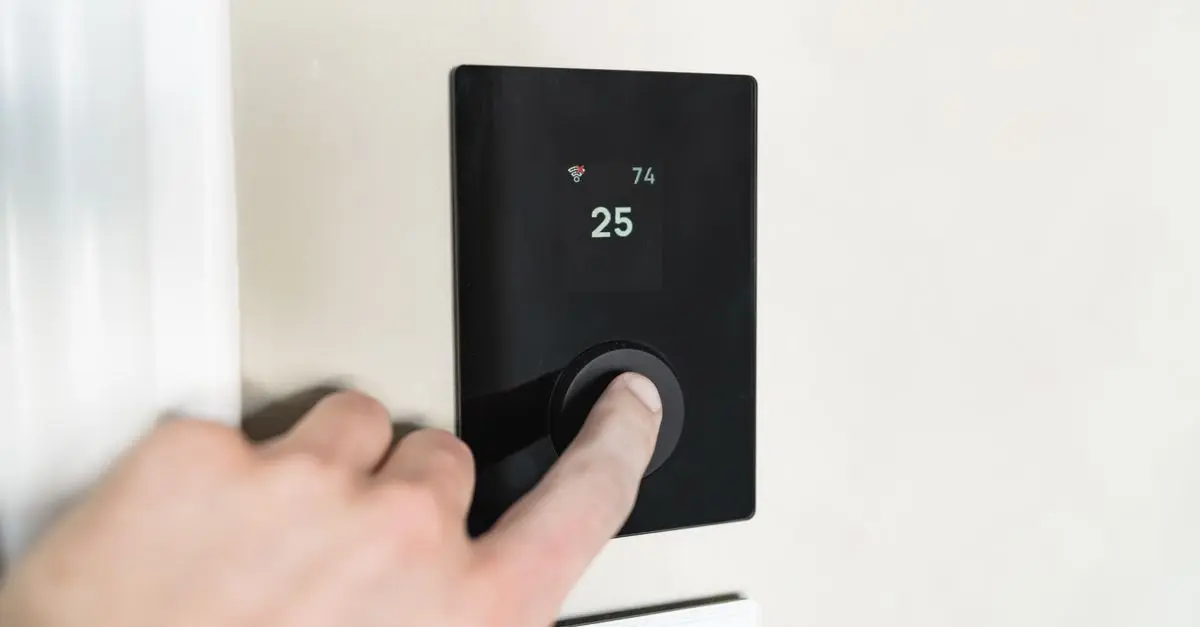
Sustainability continues to be a priority. In 2026, we see advanced smart home gadgets that optimise energy consumption by learning user habits. Smart thermostats adjust heating and cooling based on the time of day and occupancy, contributing to energy savings. Nest Labs, for example, claims that their smart thermostat can save users up to 15% on heating bills. Moreover, integrating smart lighting systems that adapt according to natural light levels also empowers consumers to reduce their energy use effectively.
5. Smart Health Monitoring Devices
As people grow more aware of their health, smart health gadgets have emerged. Wearable devices, such as fitness trackers and smartwatches, monitor activity levels and health metrics, while more advanced gadgets can provide real-time health data on users' wellbeing. For instance, smart bathroom scales now track weight and body composition, sync this data with health apps, and provide insights. The increasing popularity of health tech in homes demonstrates a shift towards proactive health management in daily life. According to the World Health Organization, the demand for health-monitoring solutions is expected to rise, significantly impacting how consumers view smart home technology.
6. Interconnectivity and Integration
The integration of various smart gadgets into a cohesive ecosystem remains a key trend in 2026. Users desire seamless communication between devices, regardless of brand. A universal smart home hub can now control an array of gadgets from different manufacturers, streamlining the user experience. Applications that connect and control these devices often provide a central platform to manage everything from climate to security systems, which significantly enhances the overall convenience and functionality of smart homes.
📺 Resource Video
> 📺 For further exploration: Discover the latest innovations in smart home technology in 2026; search on YouTube: 2026 smart home gadgets.
| Feature | Smart Security System | AI Personal Assistant | Smart Kitchen Appliance | Energy Efficient Device |
|---|---|---|---|---|
| Price Range | £150-£500 | £40-£200 | £300-£1,500 | £100-£300 |
| Connectivity | Wi-Fi, Bluetooth | Wi-Fi, Zigbee | Wi-Fi, Bluetooth | Zigbee, Wi-Fi |
| Customisation Options | High | Moderate | High | Moderate |
| User Ratings | 4.5/5 | 4.7/5 | 4.6/5 | 4.8/5 |
| Verdict | Excellent for security | Great for daily assistance | Essential for cooking | Ideal for energy saving |
🧠 Quick Quiz
> What is the primary benefit of using smart home gadgets?
> - A) Enhanced safety
> - B) Improved cooking skills
> - C) Increased energy costs
> Answer: A — Smart home gadgets primarily enhance safety and provide additional conveniences.
Glossary
| Term | Definition |
|---|---|
| Smart Home | A residence equipped with devices that automate tasks and can be controlled remotely. |
| IoT (Internet of Things) | A system of interrelated computing devices that can communicate and exchange data over the internet. |
| Home Automation | The control of home appliances and systems through a network, providing users with greater convenience and efficiency. |
Conclusion
In conclusion, the landscape of smart home gadgets in 2026 represents vast potential for enhancing our living environments. By integrating advanced technologies into everyday life, we can experience increased comfort, efficiency, and security. As consumers, it's essential to remain informed about the latest trends and products available. Embracing these innovations can significantly transform how we interact within our homes.
Call to Action: Explore our selection of smart home devices today to enhance your living experience and stay at the forefront of home technology!