Contents (10 sections)
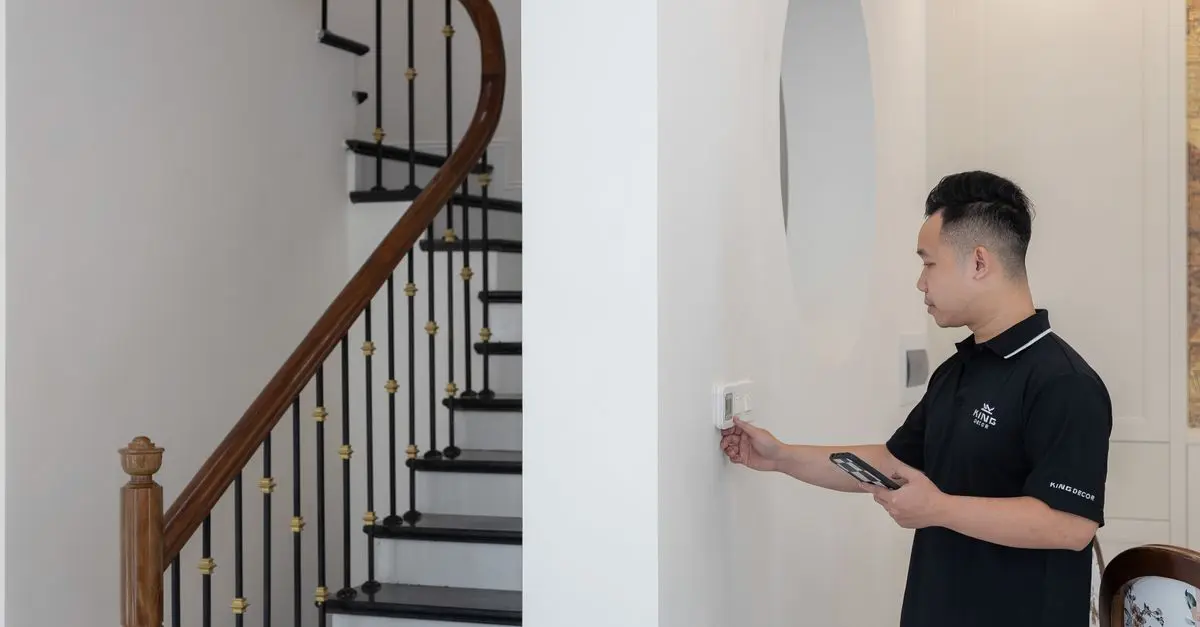
In an era characterised by rapid technological advancement, smart home devices have transitioned from being a mere novelty to an integral part of modern living. These devices offer convenience, security, and energy efficiency, enabling users to control various home functions remotely. This article will delve into the essential features that set these devices apart, enhancing functionality and ultimately improving the user experience.
1. Interconnectivity
One of the most critical features of smart home devices is interconnectivity. This allows various devices within your home to communicate with each other, creating a cohesive ecosystem. For instance, smart thermostats can share data with smart lighting systems to adjust the lighting based on temperature settings, improving energy efficiency.
Diverse smart home ecosystems like Amazon Alexa, Google Home, and Apple HomeKit enhance the synergy between compatible devices. According to a study by Statista, nearly 30% of households in the UK were reported to own a smart home device as of 2026, with interconnectivity being a major reason for their increasing popularity. Users appreciate the convenience of controlling multiple devices from a single application, making day-to-day management easier.
Many people find themselves opting for devices best suited for their unique lifestyles. For instance, a user might choose smart locks that work seamlessly with their other smart security cameras. This interconnectedness not only boosts the functionality of the devices but also provides an added layer of security, as users are notified of any unusual activity across their home network.
2. Automation Capabilities
Automation is another key feature that enhances the functionality of smart home devices. This involves pre-setting devices to operate on specific commands or schedules, freeing homeowners from manual control. For instance, a smart lighting system can be programmed to switch on at sunset or when someone enters a room, creating an effortlessly welcoming environment.
The benefits of leveraging automation extend beyond mere convenience to significant energy savings. Research conducted by UFC-Que Choisir indicates that homes equipped with automation systems can save up to 20% on energy costs by optimising lighting and heating schedules. Furthermore, automation increases security; for example, smart blinds can open and close on schedule to simulate occupancy when homeowners are away, deterring potential intruders.
Moreover, integrating voice-activated assistants adds layers of convenience, allowing users to operate devices hands-free. Voice controls can perform tasks as simple as adjusting your thermostat or turning on entertainment systems, further showcasing the allure of automation in smart homes.


Lenovo V14 G4 ABP AMD Ryzen 5 7430U Laptop 14" 8GB RAM 512 GB SSD Windows 11 Home Laptop
box.co.uk
3. Energy Efficiency
Energy efficiency is a crucial consideration when selecting smart home devices. Devices that incorporate energy-efficient technologies can significantly reduce energy consumption, which not only benefits the environment but also helps in reducing household bills. Smart thermostats, for example, intelligently manage heating and cooling based on usage patterns, optimising energy use.
According to Energy Saving Trust, smart home technologies can save UK households approximately £300 annually through improved energy management. Features such as real-time energy consumption monitoring enable users to track their usage and make necessary adjustments. Some advanced devices even offer recommendations for energy-saving practices based on user behaviour, leading to further savings.
Additionally, smart plugs can help monitor and control the energy consumption of non-smart devices, coupled with timers to automate their operation, ensuring devices are not left on unnecessarily. This capacity importantly supports sustainability efforts, aligning with the growing consumer demand for eco-friendly solutions in energy consumption.
4. Security Features
Security in the context of smart homes encompasses various elements, such as surveillance, access control, and monitoring capabilities. Smart security cameras, motion detectors, and smart locks are fundamental components of a well-rounded home security system. They enable homeowners to not only monitor their property but also control access to it remotely.
Devices integrated with artificial intelligence can distinguish between different types of movement (like pets versus people), reducing unnecessary alerts and worry. For instance, smart doorbell cameras allow users to view and communicate with visitors from their smartphones, even when they're away, thereby enhancing security and convenience.
The statistics reflect a heightened interest in smart home security solutions, where surveys indicate that 70% of users feel more secure with these devices installed. The additional feature of user alerts being sent in real-time fosters an environment of security where homeowners feel in control, regardless of their physical location.
5. User-Friendly Interface
The effectiveness of smart home devices ultimately hinges on their user interface. A user-friendly design ensures that even those who are not tech-savvy can operate devices effortlessly. Simple app designs allow for easy navigation while providing a clear overview of the interconnected devices in the home. Features that allow for customisation of settings based on personal preferences are essential for user satisfaction.
Feedback from users commonly highlights the importance of intuitive controls and straightforward installation processes. Major manufacturers increasingly focus on creating devices that are not only functional but aesthetically pleasing and easy to integrate into existing home designs. User ratings consistently favour devices that prioritise user experience without compromising functionality.
📺 For further exploration: How Smart Home Technology is Transforming Our Lives, a comprehensive look into smart home trends. Search on YouTube: smart home technology 2026 advancements.

StarTech.com USB4 to Ethernet Adapter, 10GbE, Multi-Gigabit, Thunderbolt Compatible, 10GBASE-T/5G/2.5G NIC, 10G Ethernet Adapter, 0.5m USB4 Cable,
Back to the Office


Checklist Before Buying Smart Home Devices
- [ ] Assess interconnectivity with existing devices.
- [ ] Investigate automation capabilities.
- [ ] Compare energy efficiency ratings.
- [ ] Review security features thoroughly.
- [ ] Ensure the user interface is accessible and user-friendly.
Glossary
| Terme | Définition |
|---|---|
| Interconnectivité | Capacité des appareils à communiquer et à travailler ensemble. |
| Automatisation | Programmation d'appareils pour s'exécuter automatiquement. |
| Efficacité énergétique | Utilisation optimale de l'énergie pour réduire la consommation. |
> 💡 Avis d'expert: Les utilisateurs doivent prioriser des appareils dont les caractéristiques répondent non seulement à leurs besoins actuels mais aussi à leur vision future d'un habitat intelligent et durable.
📺 Pour aller plus loin : smart home technology 2026 advancements sur YouTube
Recommended products
Selected by our experts