Contents (16 sections)
In today's fast-paced world, ensuring the safety of our homes is more critical than ever. The smart home security market is rapidly evolving, offering integrated systems that enhance our ability to protect our spaces. With the rise of IoT (Internet of Things), homeowners now have access to advanced technology that not only helps monitor their properties but also provides peace of mind. From smart cameras to alarm systems, the benefits of implementing smart technology in home security are multifaceted.
Information: What is Smart Home Security?
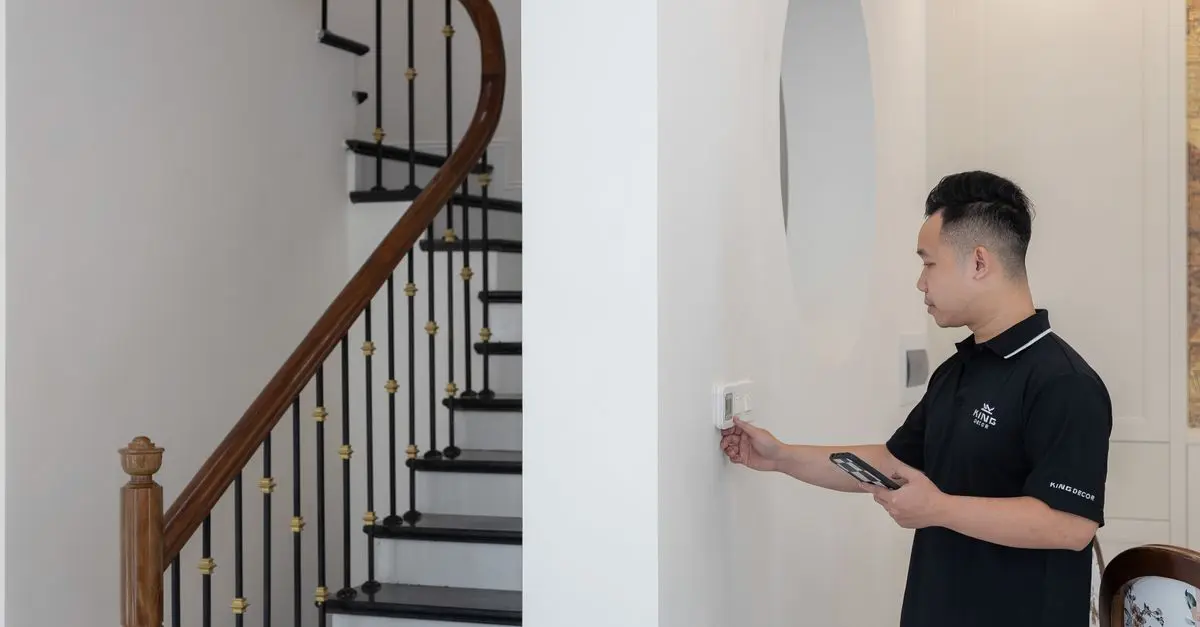
Smart home security refers to the use of interconnected devices that work together to enhance the safety of a home. These devices can include smart cameras, motion detectors, smart locks, and alarm systems, all of which can be controlled via smartphones or dedicated home security apps.
According to a report by Statista, the global smart home security market is projected to reach over £63 billion by 2026. This significant growth signals an increasing consumer demand for automated and innovative security solutions. The integration of artificial intelligence (AI) ensures these systems can learn from user behaviour, enabling them to adapt and enhance protection over time. For example, smart cameras equipped with AI can distinguish between familiar faces and potential intruders, sending real-time alerts to homeowners.
Procedural: How to Set Up a Smart Home Security System
Step 1: Assess Your Security Needs
Before starting to implement a smart security system, assess the vulnerabilities within your home. Identify areas that require monitoring—entrances, backyard, windows, etc. Consider how many cameras and sensors you will need to cover these areas adequately.
Step 2: Choose Your Devices
Decide on the type of smart home security devices that best meet your requirements. Popular options include:
- Smart Doorbells for easy surveillance of visitors.
- Outdoor Security Cameras to monitor property perimeters.
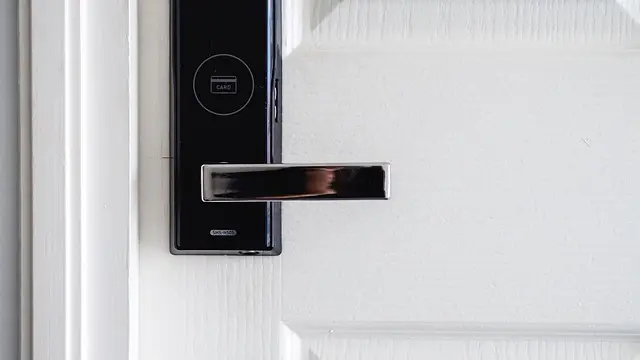
- Smart Locks that allow secure entry without traditional keys.
- Motion Detectors that send alerts when movement is detected in restricted areas.
Step 3: Install and Connect the Devices
Installation can vary by device. Most smart security systems are designed for easy self-installation, often guided by mobile apps. Once installed, connect the devices to your home Wi-Fi network and sync them with any associated applications.
Step 4: Set Up Notifications and Automations
Customising notifications is essential. Ensure your system sends alerts for suspicious activities and set up automations such as getting your lights to turn on or off based on detected movement. This added layer of response enhances your home's security.


WOOX Wifi Indoor Camera, 2K Pet Dog Cameras with App, 360? Home Security Camera
onbuy.com

Comparative: Basic Security Systems vs. Smart Home Security Systems
| Feature | Basic Security Systems | Smart Home Security Systems | Verdict |
|---|---|---|---|
| Remote Access | Limited to local controls | Complete remote access via smartphone | Smart systems provide better access |
| Alerts | Basic alarm notifications | Advanced alerts with detailed insights | Smart systems offer superior alerts |
| User-Friendly Interfaces | Often complicated | Intuitive mobile apps | Smart systems are easier to use |
| Customisation | Minimal | Highly customisable configurations | Smart systems are more flexible |
| Integration with Other Devices | Limited | Full integration with smart home devices | Smart systems have an advantage |
A shift from basic security measures to smart systems offers not just enhanced protection but also a more user-friendly experience. The ability to control your security through an app provides real-time insights and a greater level of comfort.
Analytical: The Trends in Smart Home Security
The demand for smart home security systems continues to surge, influenced by varying factors. According to UFC-Que Choisir, around 77% of UK homeowners have expressed concerns about home security, triggering an uptick in technology adoption.
Recent statistics from ResearchAndMarkets indicate a significant rise in the installation of smart security devices, particularly following major events related to crime and privacy breaches. Moreover, with 5G rolling out, many smart devices are now more responsive and reliable than ever. A recent report highlighted that consumers find systems that integrate seamlessly with their smartphones are more appealing, confirming the trend towards connected living.
Expert Opinion
> 💡 Expert Insight: The evolution of home security technology demonstrates a clear transition towards intelligent automation. It is no longer sufficient to rely solely on traditional alarm systems. Future-proofing your home with smart technology not only safeguards your family and belongings but also offers enhanced convenience. Adopting a multi-layered approach maximises security, allowing for immediate response times in the event of an emergency.
Questions Frequently Asked (FAQ)
- What are the benefits of a smart home security system?
A smart home security system provides enhanced protection, real-time monitoring, and the ability to manage your security remotely.
- Can I install smart security systems myself?
Yes, many smart systems are designed for DIY installation and come with thorough instructions to guide you.
- How do smart locks work?
Smart locks use technology such as Wi-Fi or Bluetooth, allowing you to unlock your door remotely through smartphone apps.
- Are smart home security devices safe from hacking?
While there are security concerns, most reputable smart security devices offer encryption and frequent updates to minimize risks.


Glossary
| Term | Definition |
|---|---|
| IoT (Internet of Things) | Interconnected devices that communicate over the internet to enhance functionality. |
| AI (Artificial Intelligence) | Technology that allows machines to learn from data patterns to make decisions. |
| Smart Home Security | A system of interconnected security devices that can be monitored and controlled remotely.
Checklist Before Purchase
- [ ] Evaluate your home’s vulnerabilities.
- [ ] Research the best smart devices suited for your needs.
- [ ] Ensure compatibility with existing technology.
- [ ] Check for user reviews and ratings.
- [ ] Confirm customer support availability.
📺 For further exploration:
[How Smart Technology is Changing Home Security], a comprehensive dive into smart home solutions. Search for keywords on YouTube: smart home security technology 2026.
Recommended Products
- - - ## Conclusion
Smart technology is revolutionising the way we secure our homes, instilling a sense of safety through advanced monitoring and adaptive systems. Investing in such technologies not only enhances security but also simplifies daily life. As these tools continue to evolve, staying informed about the latest advancements is crucial. Explore our selection of smart home security solutions below to elevate your home's safety standards today.
📺 Pour aller plus loin : smart home security technology 2026 sur YouTube
Recommended products
Selected by our experts