Contents (10 sections)
In the modern age, integrating smart home devices has transformed how we live, making our homes more efficient and comfortable. However, properly managing these technologies can be a challenge. In this article, we will explore five essential tips to help you achieve a cohesive and functional smart home setup.
1. Understand Compatibility
When embarking on the journey of integrating smart home devices, the first crucial step is ensuring compatibility among the devices. Many brands offer their smart products, but not all are designed to work harmoniously together. Before purchasing a device, check if it supports popular communication protocols like Zigbee, Z-Wave, or Wi-Fi. According to UFC-Que Choisir, compatibility issues are one of the most common pitfalls of smart home setups. By choosing devices that can communicate seamlessly, such as those compatible with Amazon Alexa or Google Assistant, you create a more unified system capable of responding to your commands efficiently.
2. Plan Your Smart Home Layout
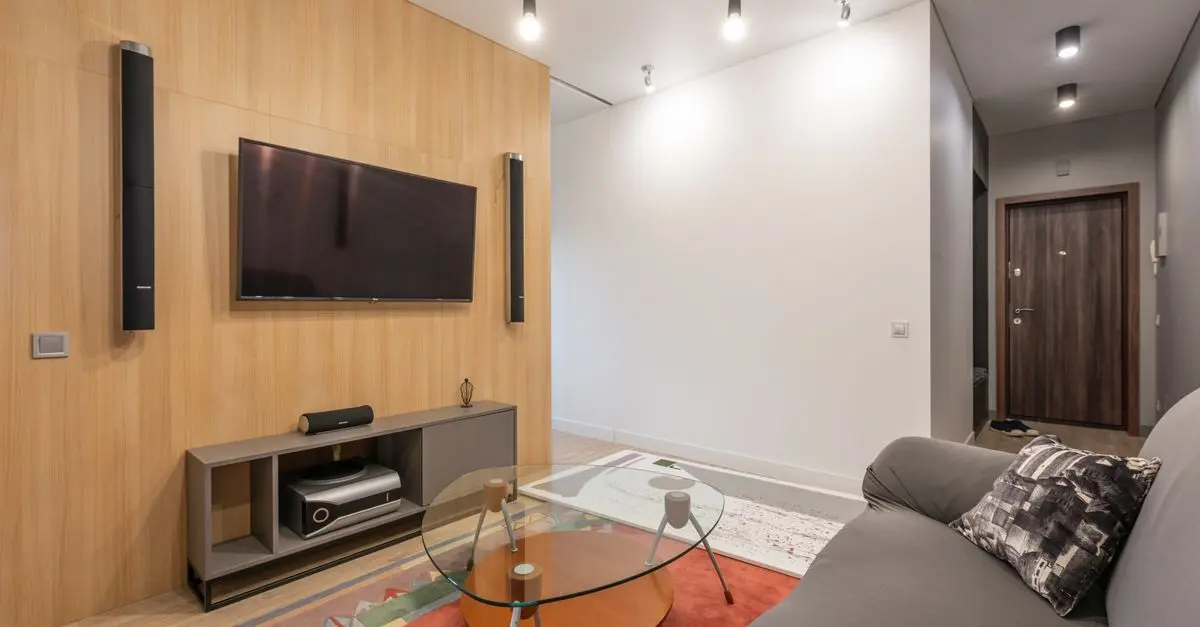
Planning your smart home layout is critical to ensure that all devices serve their intended purpose without interference. Visualise where devices will be placed, considering both aesthetics and functionality. For instance, placing smart lighting in areas where natural light is abundant may negate its utility. Strategically positioning devices can enhance their effectiveness, as certain technologies, like smart speakers, may require proximity to household members for optimal voice recognition. Moreover, a well-planned layout ensures seamless control through applications or voice commands, thus enhancing the user experience in your smart home environment.

ASUS Vivobook S15 OLED M5506WA-MA042W AMD Ryzen AI 9 365 Laptop 39.6 cm (15.6") 3K 32 GB LPDDR5x-SDRAM 1 TB SSD Wi-Fi 6E (802.11ax) Windows 11 Home
Back to the Office
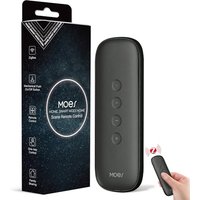
MOES Zigbee Smart Switch, 12 Scene Switches without Installation (MOES ZigBee Hub Required), One-Click Control for Tuya Devices, Zigbee Button Smart H
Amazon Sellers Programme (UK)

3. Utilise a Central Hub
Central hubs play a pivotal role in integrating smart home devices by connecting multiple technologies into a single platform. They allow for more straightforward control, reducing the complexity of managing various devices from different manufacturers. Devices like smart switches, which enable automation and remote control, can be incorporated into the hub to monitor energy consumption and schedule operations. By utilising a central hub, you enhance not only the control of your devices but also gain valuable insights into energy savings, improving both convenience and sustainability.
4. Prioritise Security
In 2026, cybersecurity remains a significant concern in the realm of smart homes. Vulnerabilities in smart devices can be exploited by malicious users, leading to privacy breaches. Prioritising security is essential; ensure that all devices are updated to the latest firmware and set strong, unique passwords for each device. Additionally, consider investing in a quality security solution for your home network. Kaspersky Small Office Security is an excellent choice to protect multiple devices from malware and provides peace of mind for smart home enthusiasts. According to trends reported by Les Numériques, over 50% of households now incorporate at least one form of smart technology, making robust security a necessity.
5. Automate Where Possible
One of the most exciting aspects of integrating smart home devices is the ability to automate tasks. Automation allows your devices to work independently to enhance your comfort and convenience. For instance, setting routines so that your smart thermostat adjusts based on your daily schedule or your smart lights turn on and off at specific times can drastically simplify daily routines. According to a report by 60 Millions de Consommateurs, smart home automation can save homeowners an average of 30% on energy bills, making it an eco-friendly and cost-effective choice.
📺 Pour aller plus loin :
Watch our insightful video: “Smart Home Integration Tips”, where experts share their experiences and advice. Search on YouTube: "smart home integration tips 2026".

Skross Travel adapter World to Europe for 2- and 3-pole devices from more than 220 destinations
Boxed2me

Kaspersky Small Office Security 5 Devices, 5 Mobile, 1 Server 2 Years New Purchase
blitzhandel24.co.uk

Smart app wifi Infrared ir remote control air conditioner home devices universal remote controller
Alibaba UK
Checklist before Integration
- [ ] Check device compatibility
- [ ] Plan device layout
- [ ] Set up a central hub
- [ ] Update device security settings
- [ ] Implement automation routines
Glossaire
| Terme | Définition |
|---|---|
| Zigbee | A wireless communication standard aimed at low-power use in smart home devices. |
| Central Hub | A device that connects various smart devices to enable controlled integration and communication. |
| Smart Switch | A device enabling remote control and automation of other connected devices. |
Conclusion
Integrating smart home devices effectively involves understanding compatibility, careful planning, prioritising security, and leveraging automation. By following these tips, you can create a smart home environment tailored to your needs and enhance your daily life with technology.
Recommended products
Selected by our experts

MOES Scene Switch, ZigBee Wireless 12 Scene, Mechanical Push Button Battery Powered, Smart Home Automation Scenario Switch for Tuya Smart Devices, Req
Amazon Sellers Programme (UK)
Kaspersky Small Office Security 5 Devices, 5 Mobile, 1 Server 1 Year New Purchase
blitzhandel24.co.uk

Hot Wearable Smartwatch Devices SW04 Smart Wrist Watch Electronics SIM TF Card Phone Men For Apple
Alibaba UK

MOES Scene Switch, ZigBee Wireless 12 Scene, Mechanical Push Button Battery Powered, Smart Home Automation Scenario Switch for Tuya Smart Devices, Req
Amazon Sellers Programme (UK)


2019 high quality New Bluetooth Smart Watch electronics wearable devices Smartwatch for Android Phone S226
Alibaba UK