Contents (9 sections)
Creating a smart home ecosystem may seem like a daunting task, but with the right approach, it can provide convenience, security, and efficiency in your daily life. This guide will walk you through the essential steps needed to establish a harmonious integration of smart devices, allowing you to enjoy the technology that enhances your living environment.
1. Define Your Goals and Needs
Before diving into the smart home ecosystem, it's crucial to outline what you require from your system. Consider the following:
- Comfort: Are you looking to adjust lighting and temperature automatically?
- Security: Do you need surveillance cameras or smart locks to keep your home safe?
- Energy Efficiency: Would you like to monitor and control energy usage?
Understanding your goals will help tailor your setup to reflect your lifestyle. Start by listing your daily routines and identifying where technology can simplify your life. For instance, if you often forget to turn off the lights, integrating smart bulbs with timers could be beneficial. According to a report from UFC-Que Choisir, households utilizing smart home technologies can see up to a 30% reduction in energy consumption.
2. Choose a Central Hub
Once your goals are clear, the next step is to select a central hub for connectivity. A hub acts as the brain of your home, allowing different devices to communicate. Common options include:
- Smart speakers: Devices like Amazon Echo or Google Home can control various compatible gadgets through voice commands.
- Dedicated hubs: Brands like TP-Link provide smart home bases that cater to diverse devices and ecosystems.
When choosing a hub, pay attention to its compatibility with other products. A Matter-certified hub facilitates integration across varied devices and brands, ensuring a more fluid smart home experience. As highlighted by a study from Les Numériques, compatibility is key to maintaining a fluid ecosystem without the frustration of devices that don’t communicate effectively.


3. Select Compatible Devices
Having established a hub, you can begin choosing individual devices to integrate into your smart home ecosystem. Focus on products that complement your needs. Here is a non-exhaustive list of categories to consider:
- Smart Lighting: Intelligent bulbs help to create mood settings and can be programmed for functionality based on the time of day.
- Smart Thermostats: Devices offering energy management based on your schedule not only enhance comfort but also save on bills.
Ensure that the devices you select are compatible with your central hub. For instance, a TP-Link Tapo smart plug allows you to control any device plugged into it via the hub, combining convenience with energy efficiency.
4. Plan Your Network Infrastructure
A robust network is essential for a successful smart home ecosystem. Take the following steps to ensure your connectivity is reliable:
- Upgrade your Wi-Fi: If you have multiple smart devices, a strong Wi-Fi connection is vital. Consider a dual-band router that can handle multiple connections with less interference.
- Mesh Networks: For larger homes, a mesh network will ensure coverage throughout every room, reducing dead spots.
- Security settings: Ensure that your network is secure from external threats by changing default passwords and using a guest network for visitors.
A survey by INSEE in 2025 found that 60% of smart home users experienced connectivity issues in homes with poor network setups. By investing in good infrastructure, you can avoid these problems and optimize your device performance.
5. Automate and Configure Your Devices
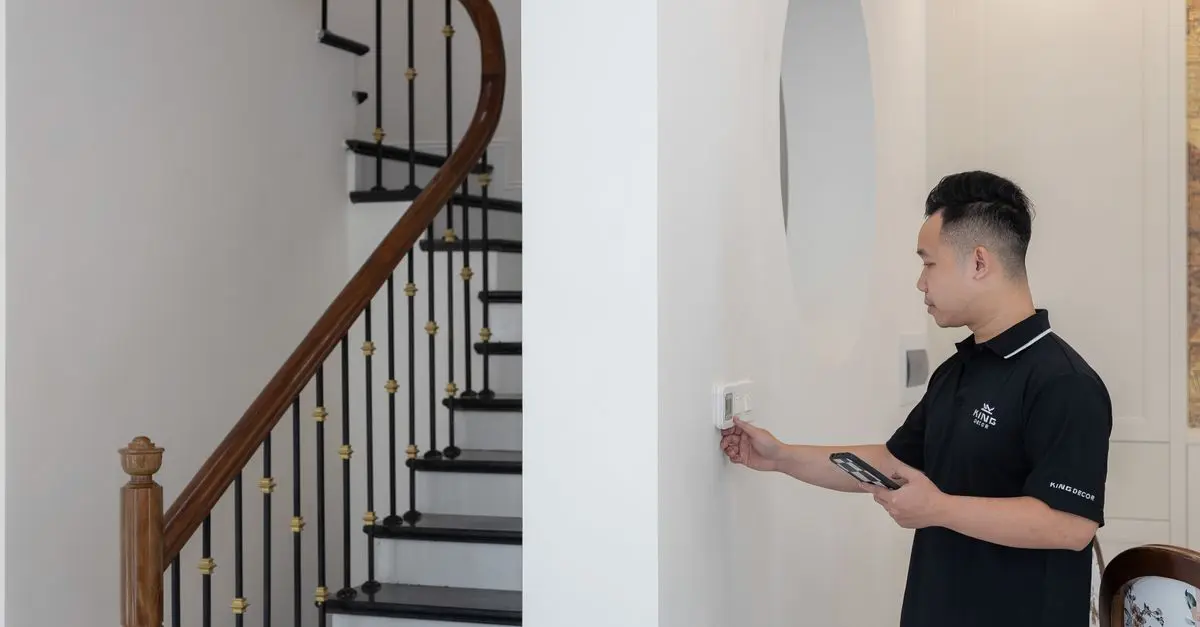
After your devices are installed and connected through the hub, it’s time to set up automation. Automation scenarios enhance your daily routines significantly. For example:
- Morning Routine: Set your lights to gradually brighten, your thermostat to adjust, and your coffee machine to start brewing as you wake up.
- Security Scene: Program your system to ensure all doors are locked, and lights are out when you leave home.
You can also incorporate external sensors, such as motion detectors that activate lights or cameras when motion is detected. Tools like the TP-Link Tapo Smart Contact Sensor can alert you in real-time about any door or window openings, increasing your home’s safety.
Conclusion
Creating a smart home ecosystem doesn't have to be overwhelming. By following these essential steps—defining your goals, selecting compatible devices, establishing a robust network, and automating your setup—you can enjoy a tailored smart living experience. Remember, the advancements in smart technology can revolutionise your home, providing convenience, security, and energy efficiency.
Checklist before Setup
- [ ] Define your smart home goals
- [ ] Choose a compatible central hub
- [ ] Select your smart devices
- [ ] Plan network infrastructure
- [ ] Configure automations and settings


Glossary
| Terme | Définition |
|---|---|
| Smart Hub | Un appareil qui centralise le contrôle de plusieurs dispositifs connectés. |
| Matter | Un standard de connectivité qui garantit l'interopérabilité entre des appareils de différents fabriquants. |
| Automatisation | Le processus de configuration de scénarios qui déclenchent des actions automatiques sur des dispositifs connectés. |
> 🧠 Quiz rapide : Quel est l'un des avantages d'un smart home ecosystem ?
> - A) Moins de dispositifs électroniques
> - B) Réduction des factures d'énergie
> - C) Plus de télécommandes
> Réponse : B — Un système connecté peut monitorer et optimiser votre consommation d'énergie.
---
📺 Pour aller plus loin : How to automate your smart home in 2026, explore how the latest technologies can enhance your living environment. Search on YouTube: "how to create a smart home automation 2026".
📺 Pour aller plus loin : Ultimate Guide to Starting and Growing a Smart Home! sur YouTube
Recommended products
Selected by our experts