Contents (15 sections)
As smart home technology continues to evolve, selecting the right devices becomes increasingly crucial. Whether you are a tech enthusiast or a casual user, understanding the essential features of smart home devices can significantly enhance your living experience. This article explores five essential features that you should look for to ensure your home automation is efficient, secure, and user-friendly.
1. Comprehensive Compatibility
Why It Matters
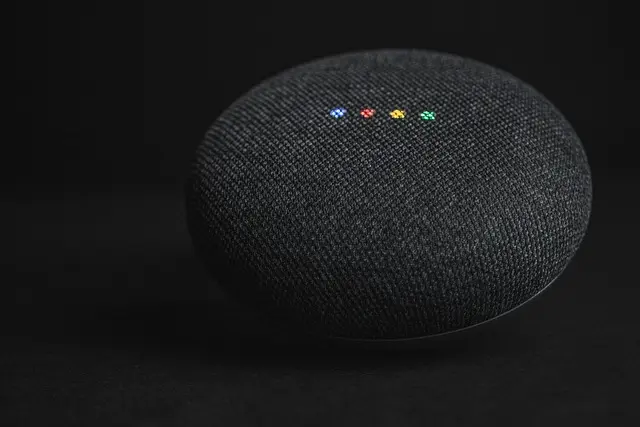
One of the first features to consider when choosing smart home devices is compatibility with existing ecosystems. A device that works seamlessly with other products reduces friction and simplifies your interactions. Ideally, you want devices that are compatible with major platforms such as Amazon Alexa, Google Assistant, and Apple HomeKit.
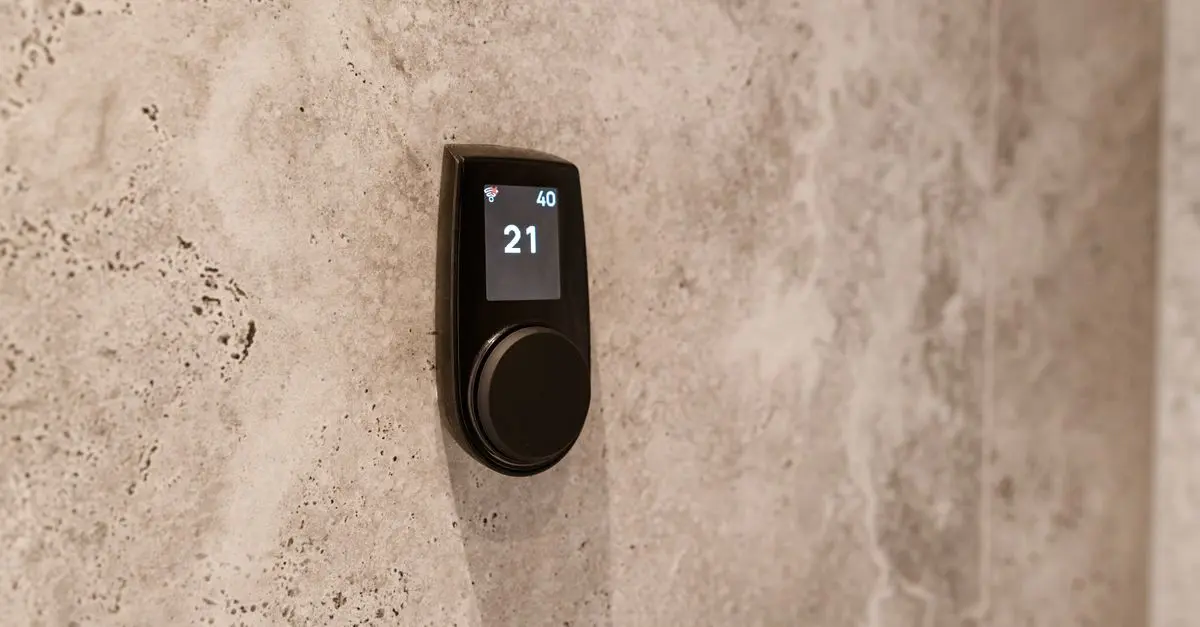
For instance, if you have a smart speaker operating on Amazon's platform, it would be beneficial to choose devices that also work within that ecosystem. The potential for integration enhances not only functionality but also the user experience, allowing for simple commands such as, "Alexa, set the thermostat to 21 degrees". According to UFC-Que Choisir, 70% of users reported improved satisfaction with their smart appliances when they worked effortlessly together.
2. Enhanced Security Features
Protecting Your Home
In an age where cyber threats are prevalent, ensuring security features in smart home devices is paramount. Look for devices that offer robust encryption standards and two-factor authentication options. These features not only safeguard your personal data but also protect your home from potential breaches.
Moreover, additional features like the capability to receive alerts on your smartphone when unusual activities are detected can be incredibly beneficial. According to a report from Les Numériques, homes equipped with smart security systems are 300% less likely to be burglarized. Therefore, prioritising these security features can provide peace of mind when integrating smart technologies in your home.


StarTech.com USB4 to Ethernet Adapter, 10GbE, Multi-Gigabit, Thunderbolt Compatible, 10GBASE-T/5G/2.5G NIC, 10G Ethernet Adapter, 0.5m USB4 Cable,
Back to the Office
3. User-Friendly Interface
Accessibility Matters
Even the most versatile smart home device can fall short if the user interface is complicated. Opt for devices that have an intuitive control system, whether it’s through mobile applications or physical hubs. Features such as voice commands or easy-to-navigate touch screens can greatly improve user interaction.
Many manufacturers provide dedicated apps that synchronise all devices for easy management, allowing for remote monitoring and adjustments. Data-driven studies show that 56% of users abandon smart home devices due to frustrating interfaces. In contrast, devices that prioritise user experience tend to foster long-term customer loyalty.
4. Energy Efficiency
Saving on Utility Bills
With climate change at the forefront of public discussion, energy-efficient smart home devices contribute significantly to reducing your carbon footprint while also saving you money. Look for features such as energy monitoring and smart scheduling capabilities.
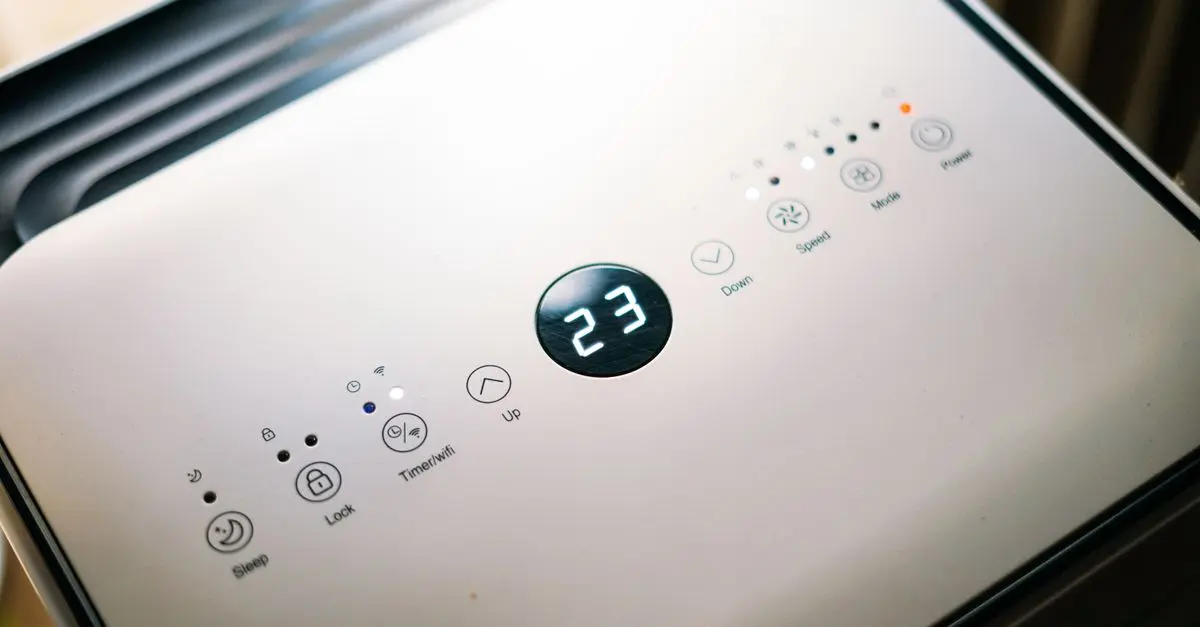
For example, a smart thermostat can learn your schedule and automatically adjust heating and cooling systems to operate only when necessary. According to the ADEME, the use of energy-efficient devices can reduce energy consumption by up to 30%. Investing in smart home technology that prioritises energy efficiency is not only kinder to your wallet but also supports broader environmental goals.
5. Customisation and Automation
Tailored Experiences
Finally, one of the key benefits of smart home technology is its ability to be customised to fit your lifestyle. Look for devices that offer automation possibilities—this includes routines and sequences that allow multiple devices to work in harmony. For example, a lighting system that automatically dims when the TV is turned on can enhance your viewing experience.
Automation not only simplifies daily tasks but also enhances comfort and security. A smart home survey conducted by 60 Millions de Consommateurs indicated that homes featuring customisable automation options had a 40% higher user satisfaction rate compared to non-automated systems. Ensuring that your smart devices can adapt to your personal routines can lead to a more enjoyable and convenient living experience.
Conclusion
When shopping for smart home devices, consider these five essential features: compatibility, security, user interface, energy efficiency, and customisation. These aspects directly impact the functionality, security, and overall user satisfaction of your smart home ecosystem.
Checklist before purchase
- [ ] Ensure compatibility with your ecosystem
- [ ] Verify security features (encryption, two-factor authentication)
- [ ] Assess the user interface for ease of use
- [ ] Look for energy-efficient options
- [ ] Check for customisation and automation features

Lenovo V14 G4 ABP AMD Ryzen 5 7430U Laptop 14" 8GB RAM 512 GB SSD Windows 11 Home Laptop
box.co.uk


Glossary
| Terme | Définition |
|---|---|
| IoT (Internet of Things) | Réseau d'objets connectés à Internet qui communiquent entre eux. |
| Smart Hub | Dispositif central qui connecte et contrôle les appareils intelligents. |
| Encryption | Méthode de sécurité permettant de protéger les données transférées. |
📺 Ressource Vidéo
> 📺 Pour aller plus loin : Comment installer des appareils domestiques intelligents, une analyse complète de [sujet]. Recherchez sur YouTube : "astuces appareils intelligents 2026".
📺 Pour aller plus loin : smart home device features 2026 sur YouTube
Recommended products
Selected by our experts