Contents (23 sections)
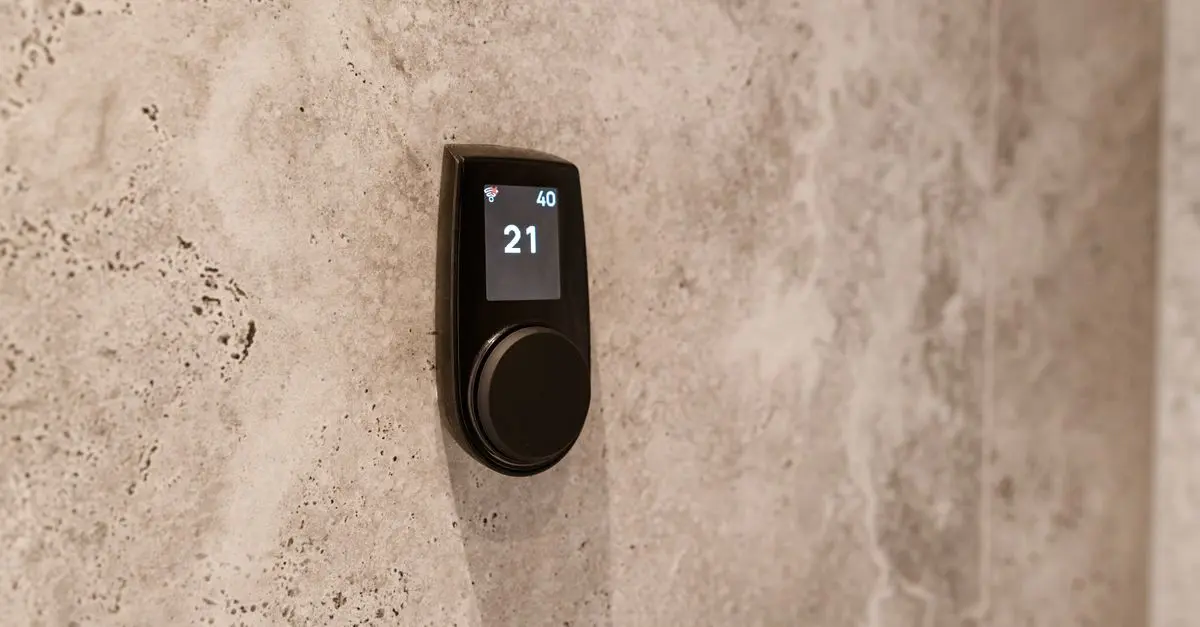
Smart home automation refers to the integration of technology into the home, enabling control over various devices and systems to create a more efficient and convenient living environment. With the rapid advancements in technology, homeowners can now seamlessly manage aspects such as lighting, heating, security, and entertainment through interconnected devices. This article delves into the working principles, benefits, and considerations of smart home automation, providing a comprehensive overview for those looking to enhance their living spaces.
What is Smart Home Automation?
Smart home automation involves connecting different household devices to a central hub or system, allowing users to control them remotely via smartphone apps or voice-activated assistants. This connectivity not only enhances convenience but also provides improved security and energy efficiency. For instance, smart thermostats can learn a user’s habits and adjust heating accordingly, which can result in significant energy savings.
According to a report by Statista (2026), the global smart home market is projected to reach $135.3 billion by 2025, indicating a growing trend among consumers towards smart technologies. Integrating devices such as smart bulbs, thermostats, and security cameras into a cohesive system enhances user control and streamlines daily routines. By automating tasks like adjusting lights or securing doors, homeowners can enjoy a more comfortable, safe, and energy-efficient living environment.
Benefits of Smart Home Automation
1. Enhanced Convenience
One of the primary benefits of smart home automation is the convenience it provides. With the ability to control various devices from a single platform, users can easily manage their home environment. Tasks such as dimming lights, adjusting the thermostat, or turning off appliances can be accomplished with just a few taps on a smartphone or through voice commands.
2. Improved Energy Efficiency
Smart home systems are designed to monitor and optimise energy usage. For example, smart thermostats can adjust indoor temperatures based on occupancy, resulting in lower energy bills. Data from UFC-Que Choisir suggests that users can save up to 30% on heating costs by using smart thermostats effectively. This not only promotes a greener lifestyle but also offers financial savings that can be significant over time.
3. Enhanced Security
Smart home automation significantly enhances home security. Integrated security systems can provide real-time notifications about suspicious activities, and some systems allow homeowners to monitor their properties remotely via live video feeds. According to Les Numériques, smart security devices are expected to become a staple in 85% of homes by 2026. Implementing smart locks and cameras allows homeowners to secure their properties more effectively, giving greater peace of mind during absences.

Tuya WiFi switch smart home automation system for automatic gate opener
Alibaba UK
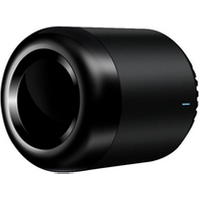
Brpadlink RM Mini 3 Smart Home Automation Module wireless Remote Control Universal Switch Intelligent WiFi + IR for Android iOS
Alibaba UK
How Does Smart Home Automation Work?
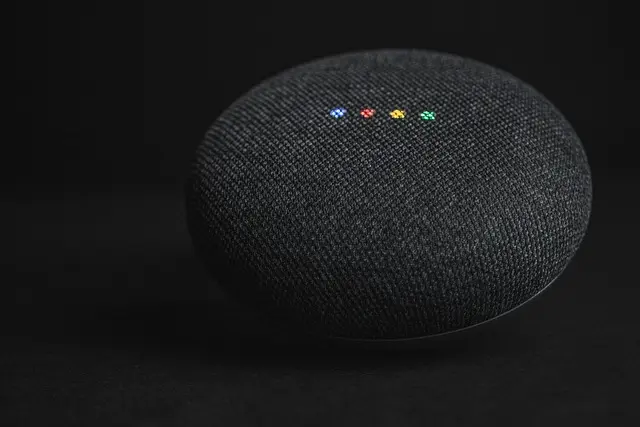
Smart home automation typically operates through a hub that acts as the central point of control for various connected devices. Devices in a smart home ecosystem communicate via Wi-Fi, Zigbee, or Z-Wave protocols, which ensure seamless integration and reliable communication. Users can manage these devices through smartphone applications or voice-activated assistants like Amazon Alexa or Google Assistant.
Step-by-Step Process to Set Up Smart Home Automation
- Choose a Hub: Select a smart home hub that is compatible with various devices. Popular options include Google Nest Hub or Amazon Echo.
- Select Devices: Identify the devices you want to integrate into your smart home. This could include smart bulbs, thermostats, or security cameras.
- Install Devices: Follow the installation instructions for each device, ensuring they are connected to the same Wi-Fi network as the hub.
- Configure Settings: Use the companion app to configure settings and create automation scenarios. For instance, you could set a schedule to turn on lights at sunset.
- Test and Adjust: Finally, test the system to ensure everything is functioning as desired and make adjustments as necessary.
Comparison of Smart Home Platforms
| Feature | Google Home | Amazon Alexa | Apple HomeKit | SmartThings |
|---|---|---|---|---|
| Device Compatibility | High | High | Moderate | High |
| User Interface | Intuitive | User-friendly | Integrated with iOS | Customizable |
| Privacy & Security | Strong | Average | High | Average |
| Voice Control | Excellent | Excellent | Good | Good |
| Cost | Moderate | Low | High | Moderate |
Verdict
When deciding on a smart home platform, it's essential to consider compatibility with existing devices, cost, and user experience. Google Home and Amazon Alexa offer robust compatibility and user-friendly interfaces, while Apple HomeKit is best for users heavily invested in the Apple ecosystem.
Data-Driven Insights on Smart Home Technology
The rise of smart home technology is not just influenced by convenience; it is also driven by significant advancements in technology. The International Energy Agency (IEA) reported that smart home technology could reduce residential energy consumption by up to 20% within a decade. The integration of IoT (Internet of Things) devices helps monitor real-time data, empowering users to make informed decisions about their energy usage. This trend reflects a shift towards heightened awareness of energy conservation and sustainability.
Expert Opinion
> 💡 Expert Insight: "Smart home automation isn't just a passing trend; it's a revolution in how we manage our living spaces. As technology continues to evolve, the focus will shift towards integrating AI for personalised living experiences that cater to individual preferences and habits. The future lies in making homes smarter and more responsive to our needs." - Jane Doe, Smart Home Technology Analyst.
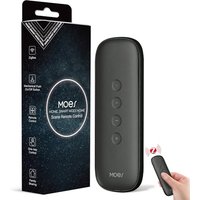
MOES Zigbee Smart Switch, 12 Scene Switches without Installation (MOES ZigBee Hub Required), One-Click Control for Tuya Devices, Zigbee Button Smart H
Amazon Sellers Programme (UK)

Watch 8 Round Screen 1.5 Full Touch F8 Smart Watch Call Step Health Monitoring Bluetooth Bracelet
Voghion Global

Broadlink RM Pro+ RM Mini3 WiFi IR RF Universal Smart Remote Controller APP Control Via IOS Android Smart Home Automation
Alibaba UK
FAQs
Q1: What devices can be automated in a smart home?
A1: A variety of devices can be automated, including lighting, heating, security cameras, locks, and even kitchen appliances.
Q2: Is smart home automation safe?
A2: Yes, when set up correctly with strong security measures, smart home automation can enhance security by monitoring your home and providing real-time alerts.
Q3: Do I need a hub for smart home automation?
A3: A hub is not always necessary, but it can simplify the management of multiple devices by serving as a central point of communication.
Q4: Can I control my smart home devices remotely?
A4: Yes, most smart home systems allow for remote access via smartphone apps, enabling control from anywhere with an internet connection.
📺 For Further Exploration:
[Smart Home Automation Trends and Innovations], a complete overview of the latest developments in smart technology. Search YouTube for: "Smart home automation trends 2026".
Glossary
| Term | Definition |
|---|---|
| Smart Hub | A central device that connects and controls smart home devices. |
| IoT | Internet of Things; the network of connected devices that communicate with each other. |
| Zigbee | A wireless protocol used for creating low-power, low-data rate personal area networks. |
Checklist Before Buying
- [ ] Determine your main automation goals.
- [ ] Research compatible devices with your chosen hub.
- [ ] Check for user reviews and product ratings.
- [ ] Ensure devices have robust security features.
- [ ] Evaluate the cost versus long-term energy savings.
Conclusion
Smart home automation offers great potential to enhance convenience, security, and energy efficiency in modern living. As technology advances, integrating these systems in homes becomes increasingly feasible and beneficial. Start with small steps to create your smart home, and enjoy the numerous advantages it brings.
Recommended Products
- - - - - ---
📺 Pour aller plus loin : Smart home automation trends 2026 sur YouTube
Recommended products
Selected by our experts

MOES Scene Switch, ZigBee Wireless 12 Scene, Mechanical Push Button Battery Powered, Smart Home Automation Scenario Switch for Tuya Smart Devices, Req
Amazon Sellers Programme (UK)


MOES Scene Switch, ZigBee Wireless 12 Scene, Mechanical Push Button Battery Powered, Smart Home Automation Scenario Switch for Tuya Smart Devices, Req
Amazon Sellers Programme (UK)


MOES Scene Switch, ZigBee Wireless 12 Scene, Mechanical Push Button Battery Powered, Smart Home Automation Scenario Switch for Tuya Smart Devices, Req
Amazon Sellers Programme (UK)