Contents (14 sections)
Smart home devices have revolutionised the way we live, offering convenience, security, and energy efficiency. However, not all devices are created equal. It's essential to know what features to look for before investing. This article explores ten crucial features that make smart home devices worthwhile investments.
Interoperability
Interoperability remains a significant consideration when choosing smart home devices. This refers to the ability of devices from different manufacturers to work together seamlessly. Consumers should look for devices that support popular standards such as Z-Wave and Zigbee. For instance, if your smart thermostat can communicate with smart lights, robust energy management becomes possible. This interconnectedness enhances automation options, creating an efficient and customised user experience.


Lenovo V14 G4 ABP AMD Ryzen 5 7430U Laptop 14" 8GB RAM 512 GB SSD Windows 11 Home Laptop
box.co.uk
Security Features
In 2026, security is paramount when it comes to smart home technology. Devices should come equipped with robust security features, such as end-to-end encryption and secure authentication methods, to protect against potential cyber threats. According to research from Kaspersky, around 40% of smart devices are vulnerable to hacking. Hence, look for devices that offer two-factor authentication and regular security updates to ensure ongoing protection against new threats.
User-friendly Interface
An intuitive and user-friendly interface cannot be overstated. Devices should have interfaces that are easy to navigate, whether through a mobile app or a web portal. Users often abandon devices due to complex setups or unclear instructions. Ideally, your smart home device should facilitate a smooth onboarding experience, enabling you to understand and utilise all its features without unnecessary hassle. Feedback from consumers regularly highlights that a straightforward interface leads to a better overall experience with technology.
Voice Control Capabilities
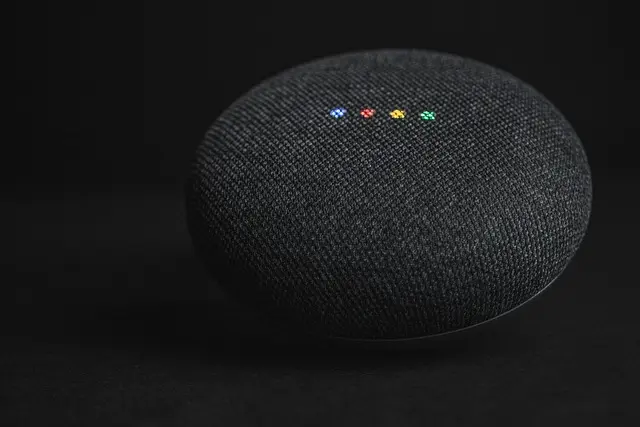
Voice control has become a game-changer in smart homes. Devices that are compatible with virtual assistants like Amazon Alexa, Google Assistant, or Apple's Siri offer users hands-free convenience. According to a survey by Statista, about 50% of smart device users employ voice commands regularly. This technology not only fosters ease of use but also contributes to accessibility for those with physical limitations. If voice control is a priority for you, ensure the devices support the assistant you use most.
Energy Efficiency
An essential consideration for smart home devices is their energy efficiency. You should look for devices that are ENERGY STAR certified or feature energy monitoring capabilities. These devices not only reduce your ecological footprint but can also lead to significant cost savings over time. A report by Energy Saving Trust states that smart thermostats can help reduce heating bills by up to 20%. Thus, investing in energy-efficient devices can pay off in the long run, benefiting both your wallet and the environment.

StarTech.com USB4 to Ethernet Adapter, 10GbE, Multi-Gigabit, Thunderbolt Compatible, 10GBASE-T/5G/2.5G NIC, 10G Ethernet Adapter, 0.5m USB4 Cable,
Back to the Office


Remote Access
The ability to control your devices remotely has become indispensable. Whether you're on holiday or at work, having access to your smart devices via a mobile app allows you to adjust settings, monitor activity, and even receive alerts. Many smart home security systems come with remote access, enabling homeowners to view live feeds and receive notifications on suspicious activities. This feature provides peace of mind, ensuring you can always stay connected to your home regardless of your location.
Automation and Scheduling
Automation is at the heart of the smart home experience, allowing you to programme devices to behave according to specific conditions or schedules. For example, you can set smart lights to turn on when you arrive home or schedule your thermostat to adjust temperatures at certain times. Devices that offer flexible automation options can significantly enhance the convenience factor, allowing personalised configurations that fit your lifestyle perfectly. As reported by Gartner, automation in homes can lead to a 30% reduction in energy consumption.
Activity Monitoring
Activity monitoring is another valuable feature that helps users track energy usage, security alerts, and more. Devices with this capability can provide insights into how and when you use various home utilities. For instance, a smart energy monitor can detail your energy consumption patterns, helping you identify which devices consume the most power. By reviewing these insights, you can make informed decisions about energy usage, ultimately leading to lower bills and a more sustainable household.
Regular Updates
Regular software updates are crucial for maintaining the security and functionality of smart home devices. Manufacturers should offer frequent updates to address any bugs, enhance performance, and bolster security. Devices lacking this key feature may become obsolete or insecure over time, rendering them ineffective. Particularly in an interconnected ecosystem, having devices that are consistently updated ensures they remain compatible and secure, providing users with the best technology experience.
Scalability
Finally, scalability offers significant advantages for future-proofing your investments in smart home technology. As your needs evolve, look for systems that can easily integrate new devices without extensive reconfiguration. Systems designed with future expansion in mind allow you to begin with a few devices and gradually add more as desired. This feature ensures your investment remains relevant and functional for years to come.
Checklist before purchase
- [ ] Check for interoperability with your current devices.
- [ ] Ensure robust security features are in place.
- [ ] Look for a user-friendly interface.
- [ ] Verify voice control compatibility with your preferred assistant.
- [ ] Choose energy-efficient models.
- [ ] Confirm remote access capabilities.
- [ ] Investigate automation and scheduling options.
- [ ] Seek out devices with active monitoring features.
- [ ] Ensure regular updates are provided.
- [ ] Consider the scalability of the system.
Glossary
| Terme | Définition |
|---|---|
| Interoperabilité | Capacité des appareils à fonctionner ensemble. |
| Automatisation | Processus d’optimisation des actions à l'aide de dispositifs intelligents. |
| Sécurité | Ensemble des mesures pour protéger les données et les utilisateurs contre les menaces. |
> 💡 Avis d'expert : Il est crucial de prendre en compte ces facteurs pour garantir que vos appareils intelligents ne soient pas seulement une mode, mais un véritable ajout fonctionnel à votre maison.
📺 Pour aller plus loin : Découvrez comment optimiser votre maison grâce à la technologie intelligente, une analyse complète de la domotique. Recherchez sur YouTube : "meilleures caractéristiques des appareils de maison intelligents 2026".
En résumé, l'évaluation des features smart home devices avant l'achat peut garantir une expérience optimale, sécuritaire et efficace. Lorsque vous choisissez, assurez-vous d'analyser ces caractéristiques clés pour un avenir de confort et d'efficacité dans votre domicile.
Nous avons sélectionné plusieurs produits adaptés, découvrez nos recommandations ci-dessous.
📺 Pour aller plus loin : features of smart home devices 2026 sur YouTube
Recommended products
Selected by our experts