Contents (10 sections)
Creating a smart home can profoundly enhance your quality of life. But how do you optimise smart home technology for maximum efficiency? In 2026, advancements in smart technology allow for innovative approaches to improve energy use, enhance comfort, and streamline daily tasks. This guide will take you through the essential steps required to enhance the efficiency of your smart home.
1. Assess Your Current Setup
Before diving into new installations, assess your existing devices and their functionalities. Evaluate how they contribute to the overall efficiency of your home. Are you using smart bulbs, thermostats, or security systems? According to UFC-Que Choisir, up to 30% of energy savings can be achieved by retrofitting existing systems with smarter options. Identify areas where inefficiencies may lie—perhaps your heating system isn't connected to your smart thermostat or maybe your lighting is not optimally configured.
Keep a list of the devices you already own and note their capabilities. This will provide a clear backdrop as you plan your optimisation strategy.
2. Integrate Your Devices
Once you have a comprehensive list of your devices, it's time to integrate them. Choose a central hub or application that allows you to manage all your devices from one interface. Smart home platforms such as Google Home or Amazon Alexa enable seamless integration. This helps in creating automated routines that can drastically reduce energy consumption.
For example, consider automating your blinds to close during peak sun hours, which can significantly reduce your air conditioning load. According to a report by Les Numériques, automating blinds can result in a 10-15% reduction in energy costs.


Samsung Galaxy S26 16 cm (6.3") Dual SIM Android 16.0 5G USB Type-C 12 GB 256 GB 4300 mAh Blue
Back to the Office

Samsung Galaxy S26 16 cm (6.3") Dual SIM Android 16.0 5G USB Type-C 12 GB 512 GB 4300 mAh Blue
Back to the Office
3. Use Efficient Appliances
Invest in energy-efficient smart appliances that can adapt to your lifestyle. Look for smart refrigerators that can monitor food expiry dates and use energy-saving modes, or washing machines that learn your washing patterns and optimise their cycles accordingly. Furthermore, appliances with the Energy Star label help save both energy and money over time. According to l'ADEME, using energy-efficient gadgets can reduce a household's energy consumption by up to 20%.
Consider integrating smart plugs into your system. They allow control over traditional appliances, providing an avenue for energy savings through scheduled on/off cycles.
4. Implement Smart Lighting
Lighting is a major contributor to energy consumption in homes. Transitioning to smart LED bulbs that adjust automatically based on daylight can enhance efficiency. For instance, by dimming lights during the day or turning them off when no one is home, you can achieve significant savings. UFC-Que Choisir highlights that smart lighting systems can offer energy savings of 40% or more.
Explore features like motion sensors and timers to ensure that lights are only on when needed. Moreover, tools for monitoring energy consumption can provide insights into usage patterns and help in making informed decisions.
5. Enhance Energy Management
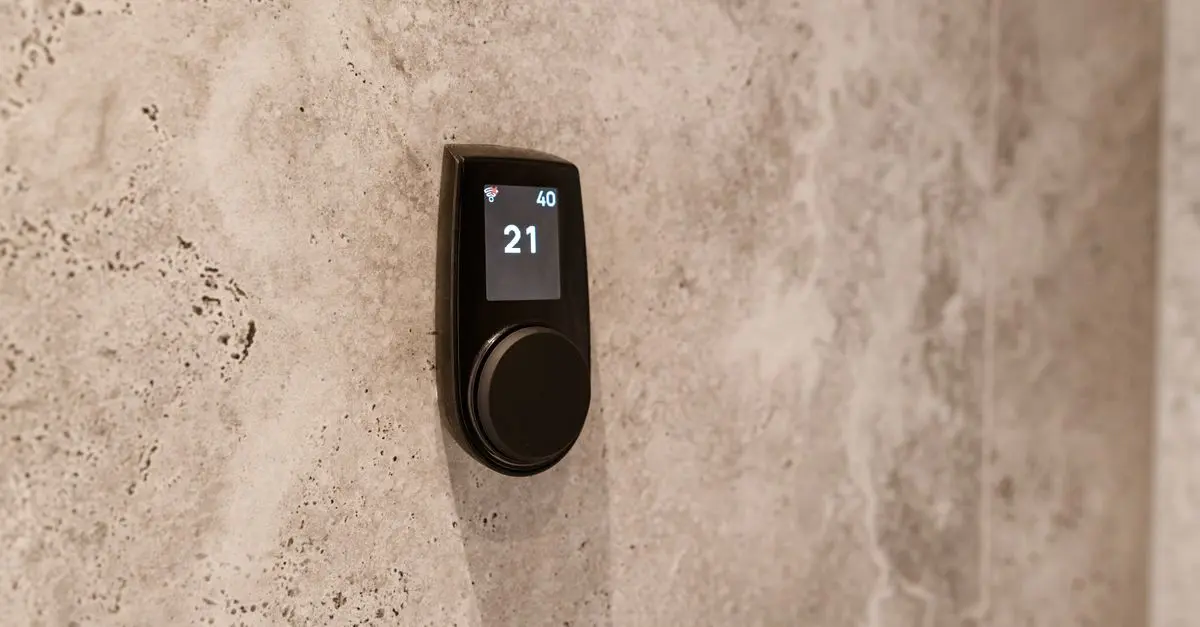
Consider using smart thermostats for better energy management. These devices learn your schedule and adjust HVAC systems accordingly. Studies show that efficient heating and cooling can result in substantial savings; smart thermostats can reduce heating costs by around 15% and cooling costs by 10-15%, according to the INSEE. Make sure your thermostat connects easily to other smart devices, allowing complete home automation.
Additionally, applying temperature sensors can optimise your system even further by ensuring rooms are heated or cooled according to actual occupancy.
6. Maintain Security and Monitoring
Integrating security systems does not only serve as protection but can also provide insight into your home's energy usage. Smart cameras and motion detectors can monitor human activity, enabling smarter energy use. For example, if no one is in a room, lights can automatically be switched off. According to a resource from 60 Millions de Consommateurs, homes with smart security have seen reductions of 10% in energy waste.
Regular monitoring through smart devices allows homeowners to identify energy leaks. Whether it’s an appliance left on or a room that isn't used, timely alerts help maintain efficiency.

Samsung Galaxy S26 16 cm (6.3") Dual SIM Android 16.0 5G USB Type-C 12 GB 256 GB 4300 mAh Black
Back to the Office

Samsung Galaxy S26 16 cm (6.3") Dual SIM Android 16.0 5G USB Type-C 12 GB 256 GB 4300 mAh Violet
Back to the Office

Samsung Galaxy S26 16 cm (6.3") Dual SIM Android 16.0 5G USB Type-C 12 GB 512 GB 4300 mAh Black
Back to the Office
📺 Resource Video
> 📺 For further insights: Optimising Smart Home Devices for Energy Efficiency, available on YouTube. Search for: how to optimise smart home devices 2026.
Checklist for Optimising Your Smart Home
- [ ] Assess current smart devices
- [ ] Integrate devices into a central hub
- [ ] Invest in energy-efficient appliances
- [ ] Implement smart lighting solutions
- [ ] Install smart thermostats for better management
- [ ] Set up smart security systems for monitoring
- [ ] Regularly review energy usage statistics
Conclusion
As we embrace the future of technology in our homes, optimising your smart home technology is not just about convenience but also about sustainability. By following these steps, you can ensure that your home remains efficient and eco-friendly. With the right approach, you will not only save money but also contribute positively to the environment.
Explore further by checking our products recommended for your smart home enhancements below.
📺 Pour aller plus loin : how to optimise smart home technology for energy efficiency 2026 sur YouTube
Recommended products
Selected by our experts

Samsung Galaxy S26+ 17 cm (6.7") Dual SIM Android 16.0 5G USB Type-C 12 GB 256 GB 4900 mAh Blue
Back to the Office

Samsung Galaxy S26+ 17 cm (6.7") Dual SIM Android 16.0 5G USB Type-C 12 GB 256 GB 4900 mAh White
Back to the Office

Samsung Galaxy S26 16 cm (6.3") Dual SIM Android 16.0 5G USB Type-C 12 GB 512 GB 4300 mAh White
Back to the Office

Samsung Galaxy S26+ 17 cm (6.7") Dual SIM Android 16.0 5G USB Type-C 12 GB 512 GB 4900 mAh White
Back to the Office

Samsung Galaxy S26 16 cm (6.3") Dual SIM Android 16.0 5G USB Type-C 12 GB 256 GB 4300 mAh White
Back to the Office

Samsung Galaxy S26+ 17 cm (6.7") Dual SIM Android 16.0 5G USB Type-C 12 GB 512 GB 4900 mAh Violet
Back to the Office