Contents (11 sections)
As technology advances, the concept of a smart home has gained immense popularity. But what does it mean for energy efficiency? A smart home uses devices that connect to the internet allowing you to control systems such as heating, lighting, and appliances from your smartphone or tablet. The integration of various smart devices in your home can significantly reduce energy consumption, ultimately saving you money and benefiting the environment. In this guide, we will walk you through practical steps to help optimise energy usage in your smart home while ensuring comfort and convenience.
1. Assess Your Current Energy Usage
Before making changes, it’s essential to understand your current energy consumption. Start by reviewing your energy bills for the past few months to identify trends or peak usage periods. Tools such as smart energy monitors can provide real-time data on your energy usage, allowing you to identify which devices consume the most power. For example, older appliances like refrigerators or air conditioners often use more energy than modern, energy-efficient models. By accurately assessing your energy consumption, you can make informed decisions on where to focus your energy-saving efforts. Additionally, consider conducting an energy audit of your home, which can highlight areas for improvement such as insulation or drafty windows.
2. Invest in Smart Thermostats
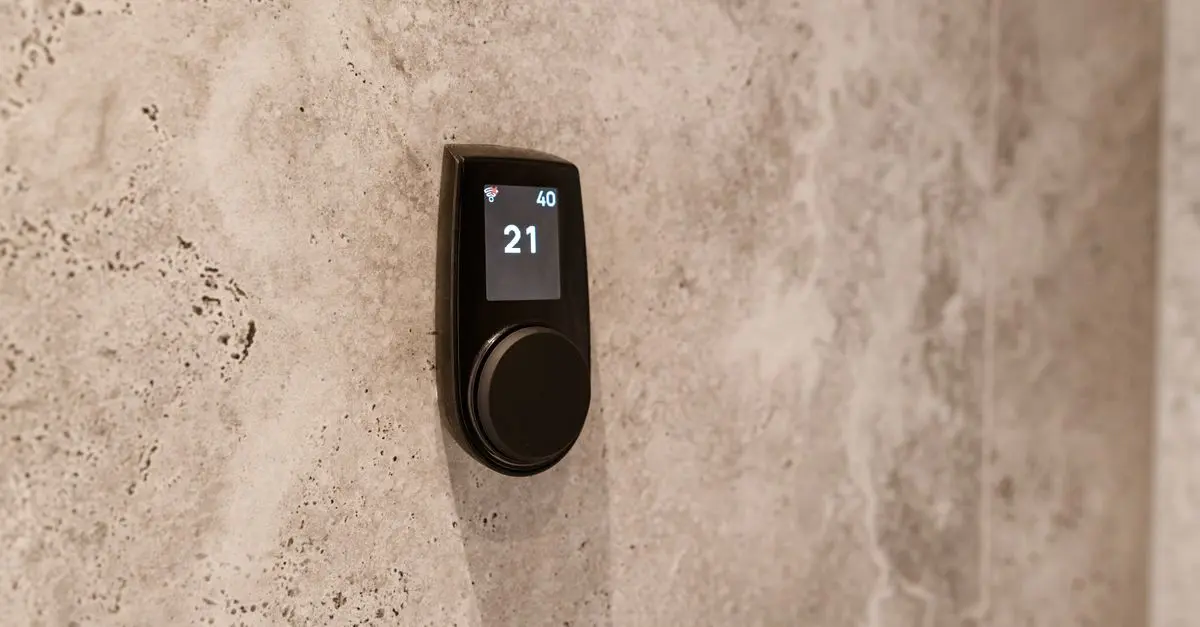
A smart thermostat is an excellent starting point for maximising energy efficiency. Unlike traditional thermostats, smart thermostats learn your habits and preferences, adjusting the temperature accordingly. For instance, many models will automatically lower the heating or cooling when you leave home and resume normal settings when you return, preventing unnecessary energy use. According to UFC-Que Choisir, homes with smart thermostats can save an average of 10-12% on heating and cooling bills annually. When choosing a smart thermostat, look for features like remote access via smartphone app, compatibility with your existing HVAC system, and the ability to create heating schedules that suit your lifestyle.
3. Utilise Smart Lighting Solutions
Lighting accounts for a significant portion of home energy consumption. Upgrading to smart lighting solutions can reduce your energy expenses while enhancing convenience. Smart bulbs can be controlled remotely and can be programmed to turn on and off at specific times. You can also adjust the brightness and colour temperature, helping to create an energy-efficient lighting scheme that matches your activities. For instance, using cooler, brighter lighting during the day and warmer tones in the evening can help reduce reliance on artificial light. Additionally, consider using motion sensors that automatically turn off lights when rooms are unoccupied, ensuring no energy is wasted.
4. Manage Appliances Effectively
Smart appliances such as refrigerators, washing machines, and dishwashers can significantly contribute to energy savings. These devices often feature energy-efficient settings that help to optimise their power use. For instance, scheduling your washing machine or dishwasher to run during off-peak hours (usually late at night or early morning) can lessen the load on the grid and reduce your electricity costs. Furthermore, smart plugs allow you to control when appliances are powered on or off, helping to eliminate standby power usage, which can account for up to 10% of household energy consumption.
5. Install Home Energy Management Systems (HEMS)
A Home Energy Management System (HEMS) provides a comprehensive view of your home’s energy use and integrates various smart devices into one interface. These systems can track energy consumption, identify trends, and propose strategies for optimisation. Moreover, many HEMS offer compatibility with renewable energy solutions such as solar panels, allowing homeowners to monitor energy production and consumption effectively. Research shows that families using HEMS can reduce their energy consumption by up to 30%. When considering a HEMS, look for features such as user-friendly interfaces, mobile app access, and compatibility with existing devices.
6. Monitor & Adjust Regularly
Once you have implemented smart technology in your home, it’s crucial to consistently monitor and adjust your systems for optimal performance. Many smart devices come equipped with analytics and reporting features that provide insights into your energy usage patterns. Regularly reviewing this data can help you identify any spikes in usage and adjust settings accordingly. Additionally, periodically revisiting your energy-saving strategies and making adjustments based on season changes or lifestyle shifts can further enhance your efficiency efforts. You should also keep abreast of new smart solutions entering the market that could further contribute to your energy goals.
Checklist before implementation
- [ ] Assess current energy consumption
- [ ] Select a compatible smart thermostat
- [ ] Choose smart lighting solutions
- [ ] Evaluate and upgrade major appliances
- [ ] Consider a Home Energy Management System
- [ ] Review and adjust energy strategies quarterly
Comparison of Smart Devices
| Device Type | Option A | Option B | Verdict |
|---|---|---|---|
| Smart Thermostat | Nest | Ecobee | Ecobee offers advanced features like smart home integration. |
| Smart Lighting | Philips Hue | LIFX | Philips Hue has extensive compatibility with other devices. |
| Smart Plugs | TP-Link | Wemo | TP-Link is more affordable, ideal for entry-level. |
Glossary
| Terme | Définition |
|---|---|
| Smart Home | A residence that uses IoT technology to control appliances and systems. |
| Energy Efficiency | The goal of reducing energy waste through products and practices. |
| Home Energy Management System (HEMS) | A platform that monitors and optimises energy use in homes. |
📺 Ressource Vidéo
> 📺 Pour aller plus loin : Optimising Energy Efficiency in Smart Homes, une analyse complète de stratégies et produits. Recherchez sur YouTube : "how to optimise energy efficiency in your smart home 2026".
🧠 Quiz rapide : Quel pourcentage d'économie d'énergie pouvez-vous réaliser avec un thermostat intelligent?
- A) 5-7%
- B) 10-12%
- C) 30%
Réponse : B — Selon UFC-Que Choisir, un thermostat intelligent peut réduire vos factures de chauffage et de climatisation jusqu'à 12%.
In conclusion, optimising energy efficiency in your smart home not only saves you money but also contributes positively to the environment. It’s a win-win scenario where technology enhances our quality of life while promoting sustainability. Start implementing these strategies today and reap the benefits.
Additionally, we have selected several products adapted to help you on this journey.
📺 Pour aller plus loin : how to optimise energy efficiency in your smart home 2026 sur YouTube
Recommended products
Selected by our experts


Samsung HBU8000 109.2 cm (43") 4K Ultra HD Smart TV Black 20 W
Back to the Office