Contents (19 sections)
Smart home technology has revolutionised the way we interact with our living spaces. Among these innovations, smart home lighting solutions stand out for their ability to enhance both convenience and aesthetics. In this comprehensive guide, we'll walk you through the process of selecting the best smart lighting system for your home.
What Are Smart Home Lighting Solutions?
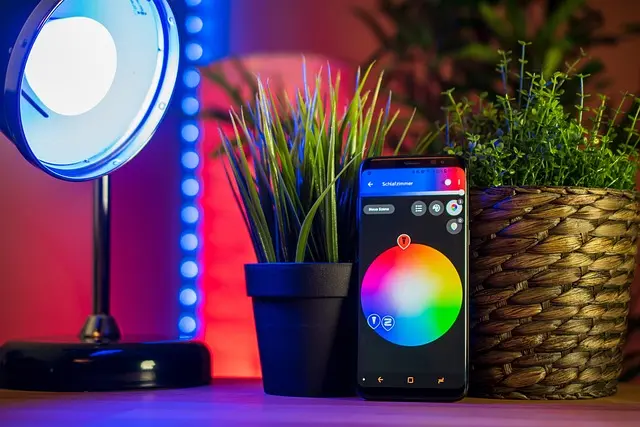
Smart home lighting solutions refer to interconnected lighting systems that can be controlled remotely, often via a smartphone app or voice command. These systems typically include features such as dimming, colour changing, scheduling, and the ability to control lights from anywhere in the world, provided you have an internet connection.
The rise of these solutions is driven by increasing consumer demand for convenience, energy efficiency, and enhanced security. A report by the Smart Electric Power Alliance found that smart lighting can reduce energy costs by up to 30%. Moreover, smart lighting can be integrated with other smart home devices, leading to greater energy management and security capabilities. For instance, linking your lights with security cameras ensures that lights can turn on automatically in response to detected motion.

TP-Link EAP650-DESKTOP wireless access point 2976 Mbit/s White Power over Ethernet (PoE)
Back to the Office


Steps to Choose Your Smart Lighting Solution
Choosing the right smart lighting for your home can be daunting. Here we break down the process into manageable steps:
Step 1: Assess Your Needs
Start by considering what you want to achieve with your smart lighting system. Do you want to enhance security, create mood settings, or improve energy efficiency? Understanding your goals will help narrow your choices. For instance, if your primary concern is security, look for solutions that offer motion sensors and automated scheduling.
Step 2: Consider Compatibility
Verify the compatibility of smart lighting solutions with your existing smart home ecosystem. Most systems integrate seamlessly with platforms such as Amazon Alexa, Google Assistant, or Apple HomeKit. Ensure that the lighting system you choose can be easily integrated to allow for updates and expansions in the future.
Step 3: Choose the Right Technology
Smart lighting generally falls into two categories: bulbs and fixtures. Smart bulbs can be installed in existing fixtures, making them a flexible option. On the other hand, smart light fixtures are integrated products designed specifically for smart technology. For example, integrated LED downlights may offer better energy efficiency than standard bulbs.
Step 4: Evaluate Features
Decide which features are important for your lifestyle. Common features include:
- Remote access: Control lights from your smartphone or tablet.
- Scheduling: Automate lights to turn on or off at specific times.
- Dimming options: Change the brightness of your lights according to the time of day or activity.
- Colour options: Choose from a wide palette to create the right ambiance.
Step 5: Budget
Smart home lighting solutions come with a range of price points. It's critical to establish a budget beforehand. Factors influencing the cost include the types of bulbs or fixtures, the number of units needed, and additional smart home integrations. Always consider investing in quality products, as they tend to offer better reliability and longer lifespans.
Step 6: Installation Considerations
Evaluate whether you’ll be installing the system yourself or hiring a professional. Some solutions are plug-and-play, while others may require additional setup or installation services. Certain brands offer user-friendly apps that guide you through the installation process.
Comparative Analysis of Smart Lighting Options
| Criteria | Option A | Option B | Option C |
|---|---|---|---|
| Type | Smart Bulbs | Smart Light Fixtures | Smart Lighting System |
| Integration | Alexa, Google | HomeKit, Amazon | All |
| Features | Dimming, Remote Access | Colour Options, Scheduling | Full Range of Features |
| Cost | Low | Medium | High |
| Ease of Installation | Easy | Medium | Complex |
Current Trends and Statistics
The market for smart home lighting solutions has surged significantly. In fact, according to a report by MarketsandMarkets, the smart lighting market is expected to grow from USD 10.5 billion in 2020 to USD 28.6 billion by 2026. This indicates an increasing reliance on smart technologies to enhance home automation and energy efficiency. Moreover, research suggests about 20% of households in the UK have now adopted smart lighting systems, reflecting a growing trend towards home automation.
FAQs
What are the benefits of smart lighting?
Smart lighting offers convenience, energy savings, and enhanced security features. You can control lights remotely, set timers, and create ambient settings with ease.
Are smart bulbs energy-efficient?
Yes, many smart bulbs use LED technology, which is significantly more energy-efficient than traditional incandescent bulbs.
Can I control smart lights away from home?
Absolutely! Most smart lighting systems allow you to control your lights remotely using a smartphone app.
What if my Wi-Fi goes down?
If your Wi-Fi goes down, most smart lights will still function through their local control options, but remote access through apps will be unavailable until the connection is restored.

ASUS GT-AXE11000 wireless router Gigabit Ethernet Tri-band (2.4 GHz / 5 GHz / 6 GHz) Black
Quzo UK


Glossary
| Term | Definition |
|---|
| Integration | The ability of smart devices to work smoothly with other technology systems. |
| Home Automation | Technology that enables remote management and control of household systems and devices. |
💡 Expert Opinion: Pair your smart lighting with smart blinds or shades for a complete home automation experience that enhances comfort and energy efficiency simultaneously.
📺 For more insights: How to Get Started with Smart Lighting Solutions, a detailed guide available on YouTube. Search for smart home lighting solutions 2026.
Recommended Products
- TP-Link EAP650-DESKTOP wireless access point: Ideal for expanding your smart home's connectivity.
- TP-Link AX6000 Dual Band Wi-Fi Router: A reliable router to keep your smart devices connected.
- Asrock X870E Taichi AMD Motherboard: Provides a strong foundation for integrating smart technologies.
In conclusion, exploring smart home lighting solutions offers an excellent opportunity to enhance your living space while embracing modern technology. Make informed choices, assess your needs, and enjoy the myriad benefits that smart lighting can provide.
📺 Pour aller plus loin : how to choose smart home lighting solutions 2026 sur YouTube
Recommended products
Selected by our experts