Contents (12 sections)
Smart home devices have become an integral part of modern living, offering enhanced convenience, security, and efficiency. However, with a plethora of products available, selecting the best smart home devices that cater to your specific needs can be overwhelming. This guide will help you navigate the options and make informed decisions.
1. Understand Your Needs
Before diving into the myriad of smart devices, it’s crucial to identify your specific needs. Consider what aspects of your home you wish to automate or secure. Are you looking for better energy management, security features, or enhanced entertainment? A smart thermostat could save energy costs, while smart cameras enhance home security. Deloitte’s research indicates that nearly 50% of UK households own at least one smart home device, showcasing their growing popularity and usefulness. Having a clear understanding of your requirements will enable you to filter options effectively.
Moreover, think about the compatibility of different devices. For instance, if you primarily use devices from a particular brand, ensuring that the new addition fits seamlessly within that ecosystem will save you from future compatibility issues.
2. Research Product Categories and Features
Once you have a clear idea of your needs, start researching different categories of smart devices. These can range from smart lighting to security systems, smart speakers to home automation hubs.
Smart Lighting
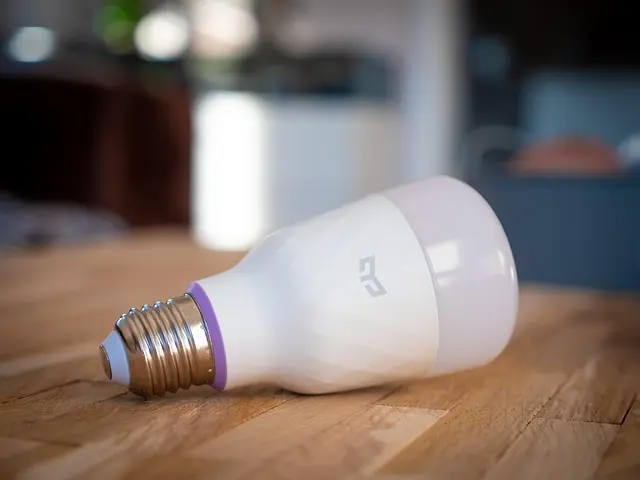
Smart lighting solutions allow you to control your home’s lighting remotely, set schedules, and integrate with other smart devices. Look for features such as voice control, energy efficiency, and compatibility with your existing lighting systems.
Security Systems
Investing in smart security devices, such as cameras and alarms, can significantly affect your home’s safety. Check for critical features, including real-time notifications, cloud storage options, and ease of installation. According to Statista, the demand for home security systems has increased by over 25% in the past two years, reflecting rising concerns about home safety.
Smart Speakers and Hubs
These devices serve as the command centre for your smart home, allowing you to control various functions through voice commands. When choosing a smart speaker, consider sound quality, ecosystem compatibility, and additional features like streaming capabilities.
3. Compare Specific Products
Once you have a shortlist of categories, begin comparing specific products. This is where the process can get intricate due to the vast array of options available. To aid your comparison, refer to reputable consumer review sites and consult product comparisons.
Example Comparison Table
| Feature | Option A | Option B | Option C | Verdict |
|---|---|---|---|---|
| Price | £79.99 | £99.99 | £89.99 | Option A is the most affordable. |
| Compatibility | Google Home | Alexa | Apple HomeKit | Option B is the most versatile. |
| User Ratings | 4.5/5 | 4.7/5 | 4.3/5 | Option B is the highest rated. |
| Setup Difficulty | Easy | Moderate | Easy | Options A and C are easier. |
Using comparative analysis helps highlight the strengths and weaknesses of each option, guiding you in making a more educated choice.
4. Prioritise Security and Compatibility
When choosing smart home devices, prioritising security is crucial. Look for devices that offer robust encryption and user-friendly privacy settings. According to Cybersecurity Ventures, cybercrime damages are projected to cost the world $10.5 trillion annually by 2025, making home security paramount.
Additionally, ensure that the devices you choose are compatible with your existing hardware and platforms. Having a range of products that don’t work together can lead to frustration and inadequate automation.
5. Evaluate Budget and Future Scalability
Smart home devices come with various price tags, making it important to set a realistic budget. However, you should also consider the long-term value of your investment. Frequently opting for cheaper products may result in higher replacement costs later.
Evaluate whether the devices allow for future scalability. For example, can you add more sensors or upgrade the software? As you develop your smart home, having devices that can expand their functionalities will provide sustained value.
6. Read Reviews and Gather User Feedback
Lastly, before making your final purchase, take the time to read reviews and gather feedback from current users. Look for feedback regarding setup ease, functionality, and customer service experience. Insights from other buyers can shed light on the practical aspects of the products you are considering.
Checklist before Purchase
- [ ] Identify your smart home needs.
- [ ] Research product categories and features.
- [ ] Compare specific products using a comparison table.
- [ ] Check security features and compatibility.
- [ ] Set a budget and evaluate scalability.
- [ ] Read user reviews and feedback.
💡 Expert Opinion: Choosing the best smart home devices is about balancing your needs against available options. Always prioritise devices that enhance your lifestyle without compromising security.
Glossary
| Term | Definition |
|---|---|
| Smart Home Hub | A device that connects multiple smart home devices, allowing them to communicate and be managed together. |
| IoT | Internet of Things, referring to networked devices that communicate with each other over the internet. |
| Home Automation | The use of technology to control household features and systems remotely for improved convenience and efficiency. |
📺 Resource Video
Watch our comprehensive guide on selecting smart home devices. Look for videos titled “Choosing Smart Home Devices in 2026” on YouTube.

Alecto BC37 No-Touch Forehead Thermometer for Adults, Infrared Digital Thermometer for Kids, Touchless Baby Thermometer, Accurate Reading with LCD
Boxed2me

Nedis SmartLife Solar / USB Powered SmartLife Curtain Robot Cable System Pane Roller/Roman blinds Voice Control for Google/Alexa 2000 mAh Bluetooth® -
Boxed2me

Final Thoughts
Selecting the best smart home devices requires careful consideration and research. By understanding your needs, evaluating options, and gathering user insights, you are positioned to make a choice that enhances your living space in a smart and effective manner.
Explore Our Recommended Products
We have curated a selection of devices to suit various needs. Explore our recommendations below for insights into the best options available today.
📺 Pour aller plus loin : how to choose smart home devices 2026 sur YouTube
Recommended products
Selected by our experts

Samsung Galaxy S26 16 cm (6.3") Dual SIM Android 16.0 5G USB Type-C 12 GB 512 GB 4300 mAh Blue
Back to the Office

Samsung Galaxy S26 16 cm (6.3") Dual SIM Android 16.0 5G USB Type-C 12 GB 256 GB 4300 mAh Black
Back to the Office

Samsung Galaxy S26 16 cm (6.3") Dual SIM Android 16.0 5G USB Type-C 12 GB 256 GB 4300 mAh Violet
Back to the Office

Samsung Galaxy S26 16 cm (6.3") Dual SIM Android 16.0 5G USB Type-C 12 GB 512 GB 4300 mAh Black
Back to the Office

Samsung Galaxy S26+ 17 cm (6.7") Dual SIM Android 16.0 5G USB Type-C 12 GB 256 GB 4900 mAh Blue
Back to the Office

Samsung Galaxy S26+ 17 cm (6.7") Dual SIM Android 16.0 5G USB Type-C 12 GB 256 GB 4900 mAh White
Back to the Office